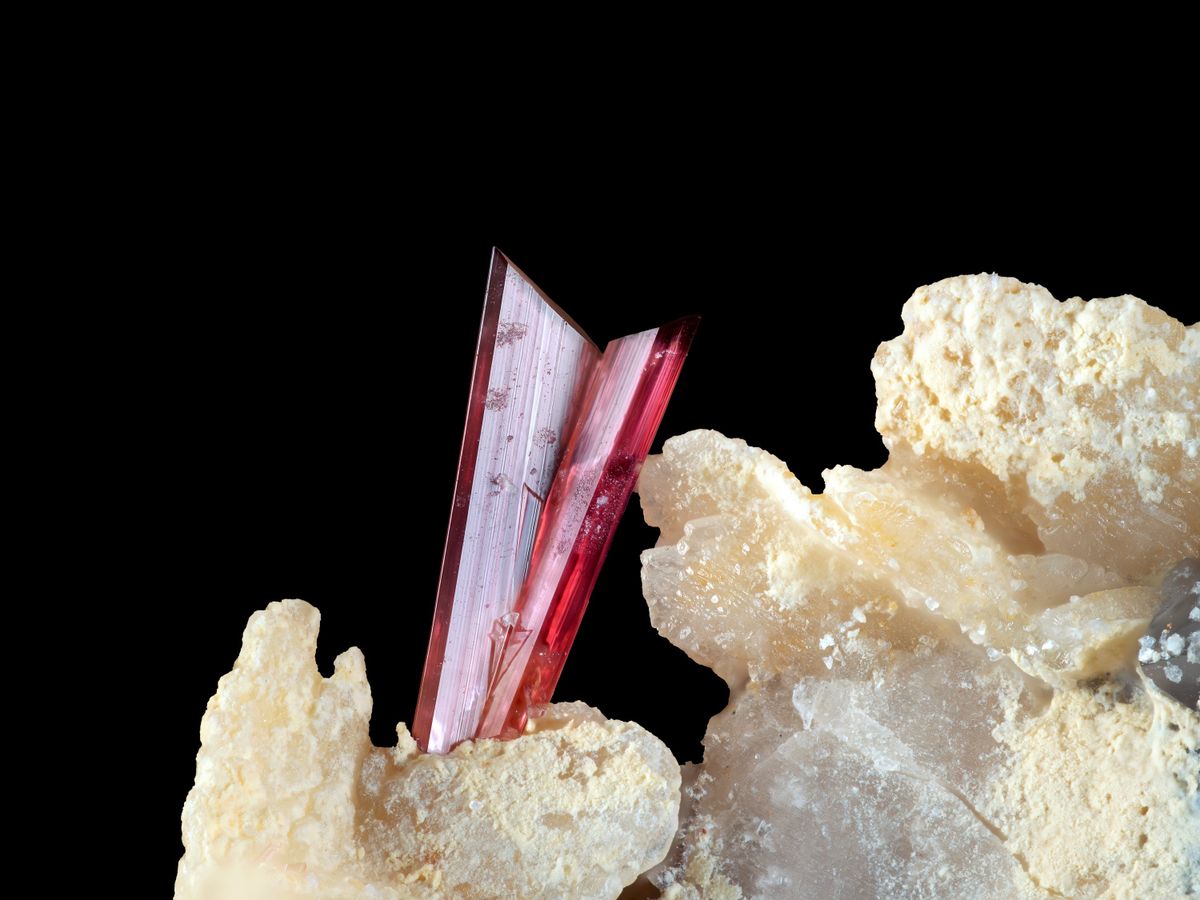
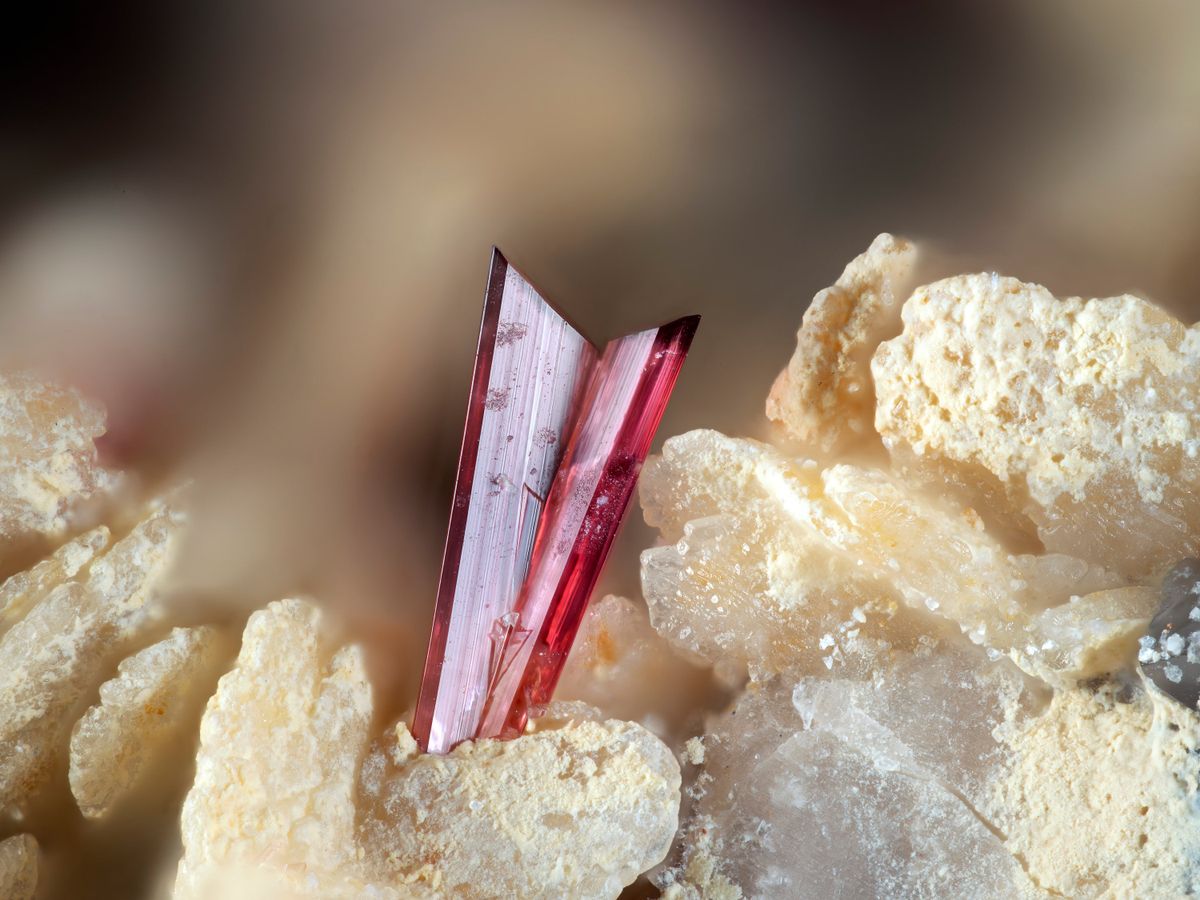
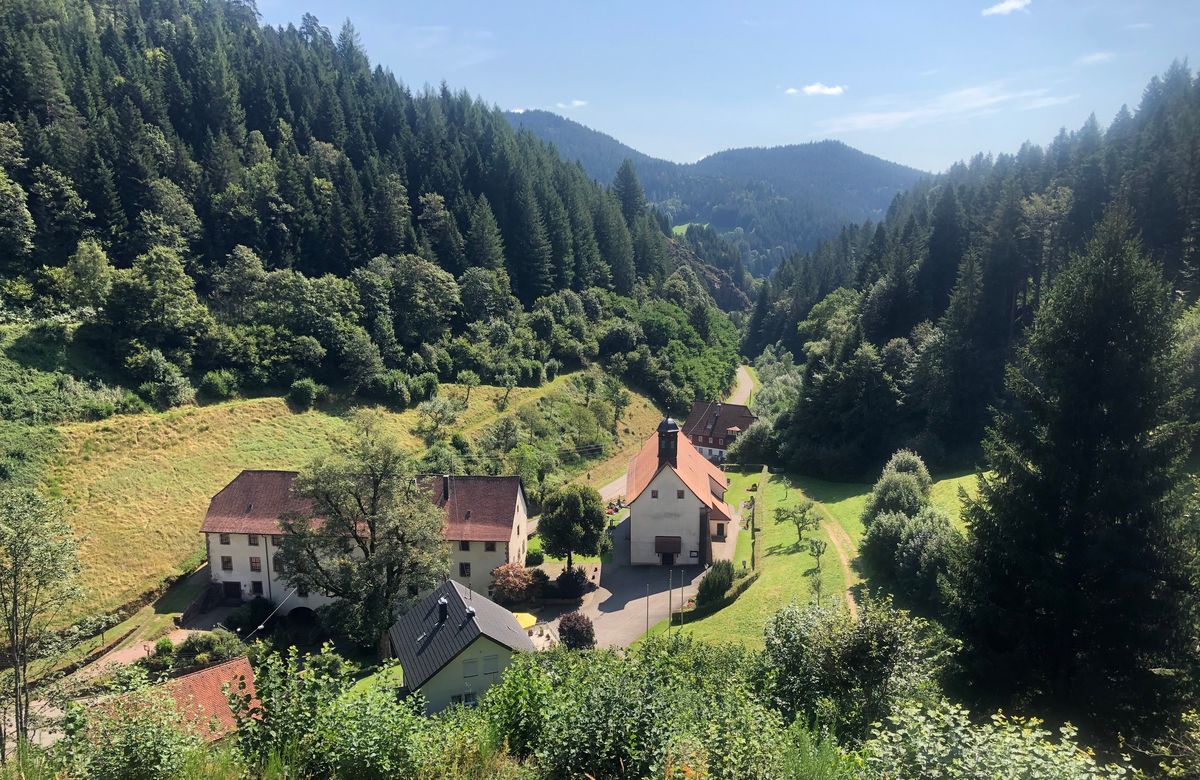
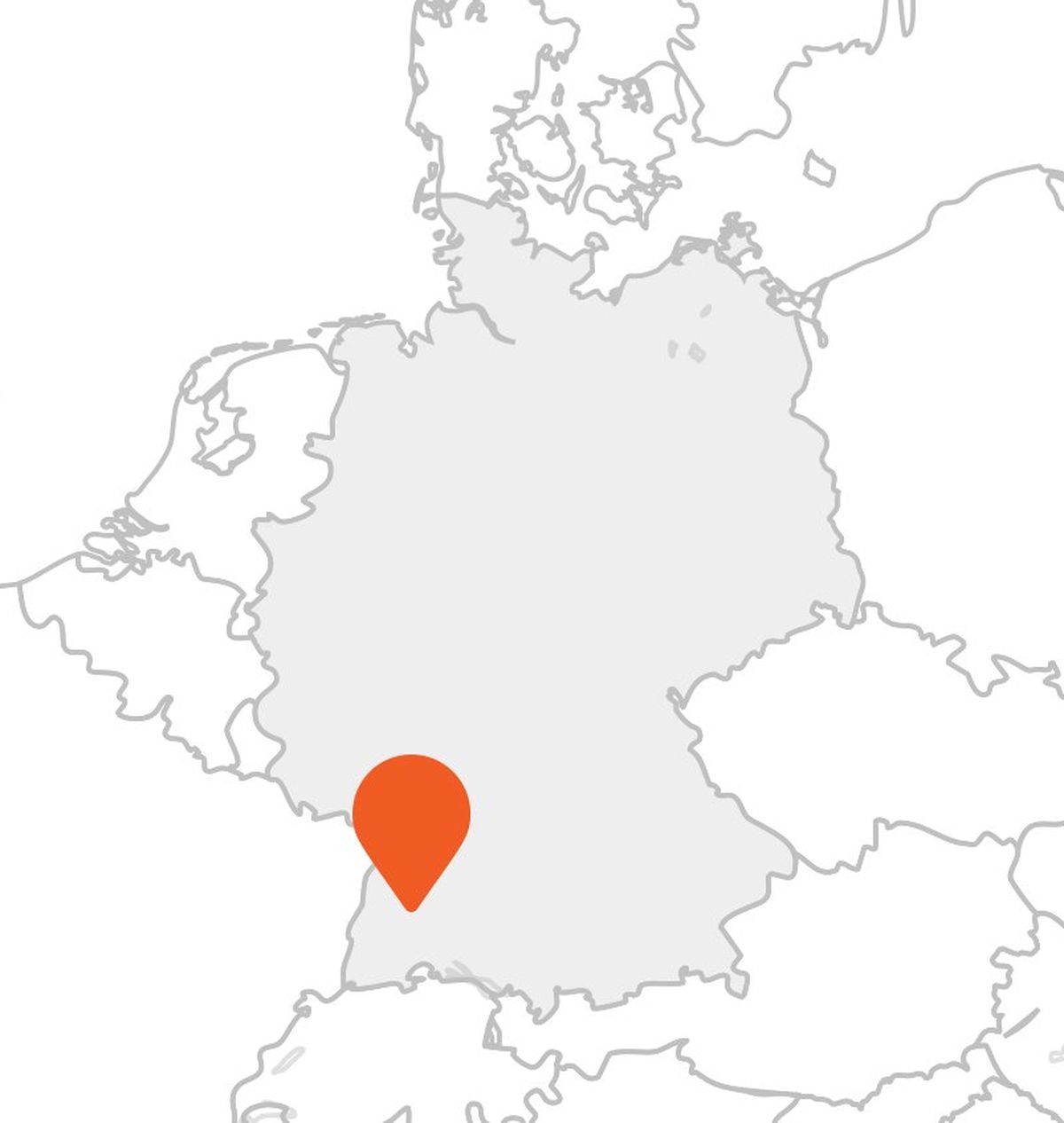
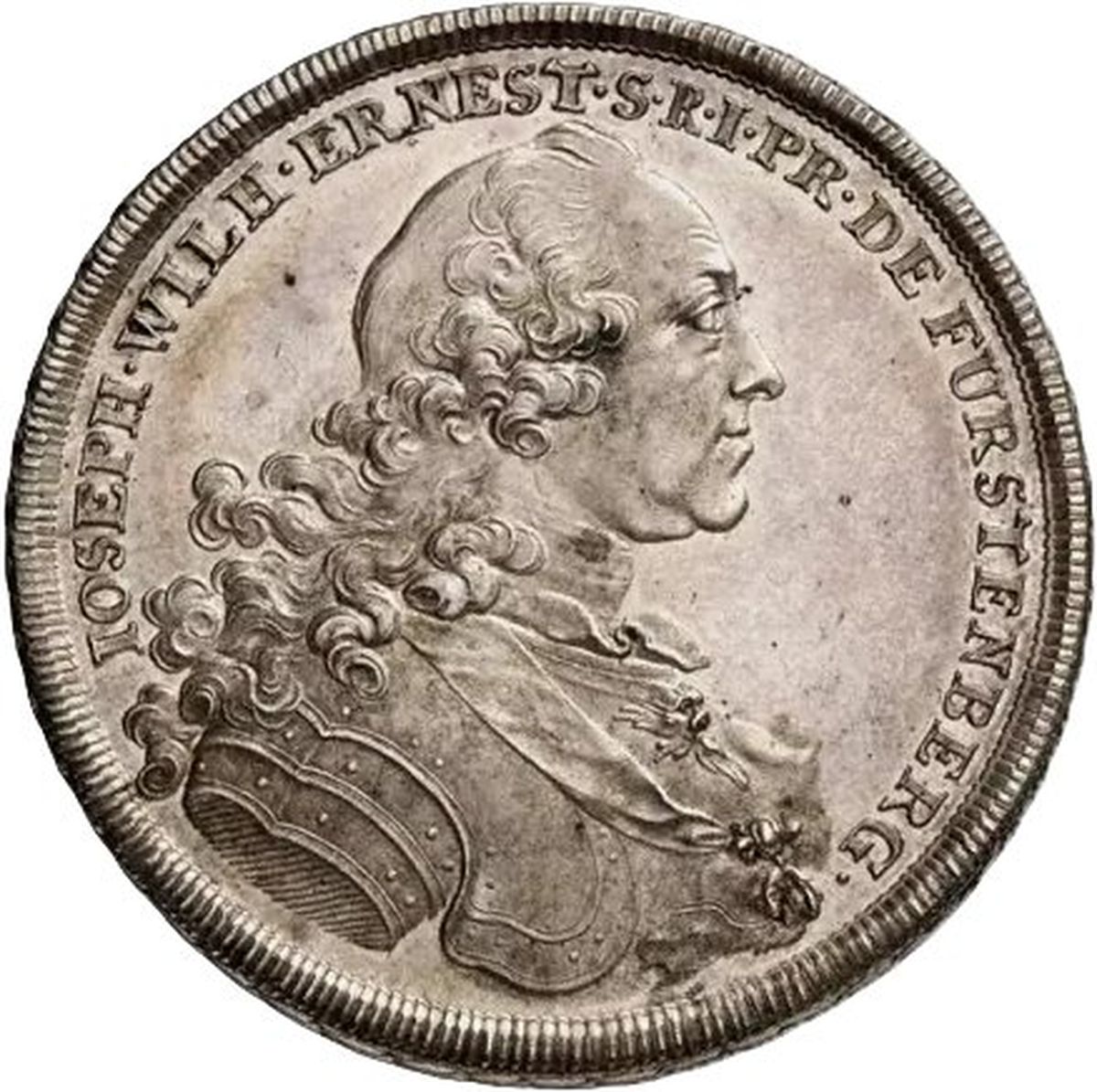
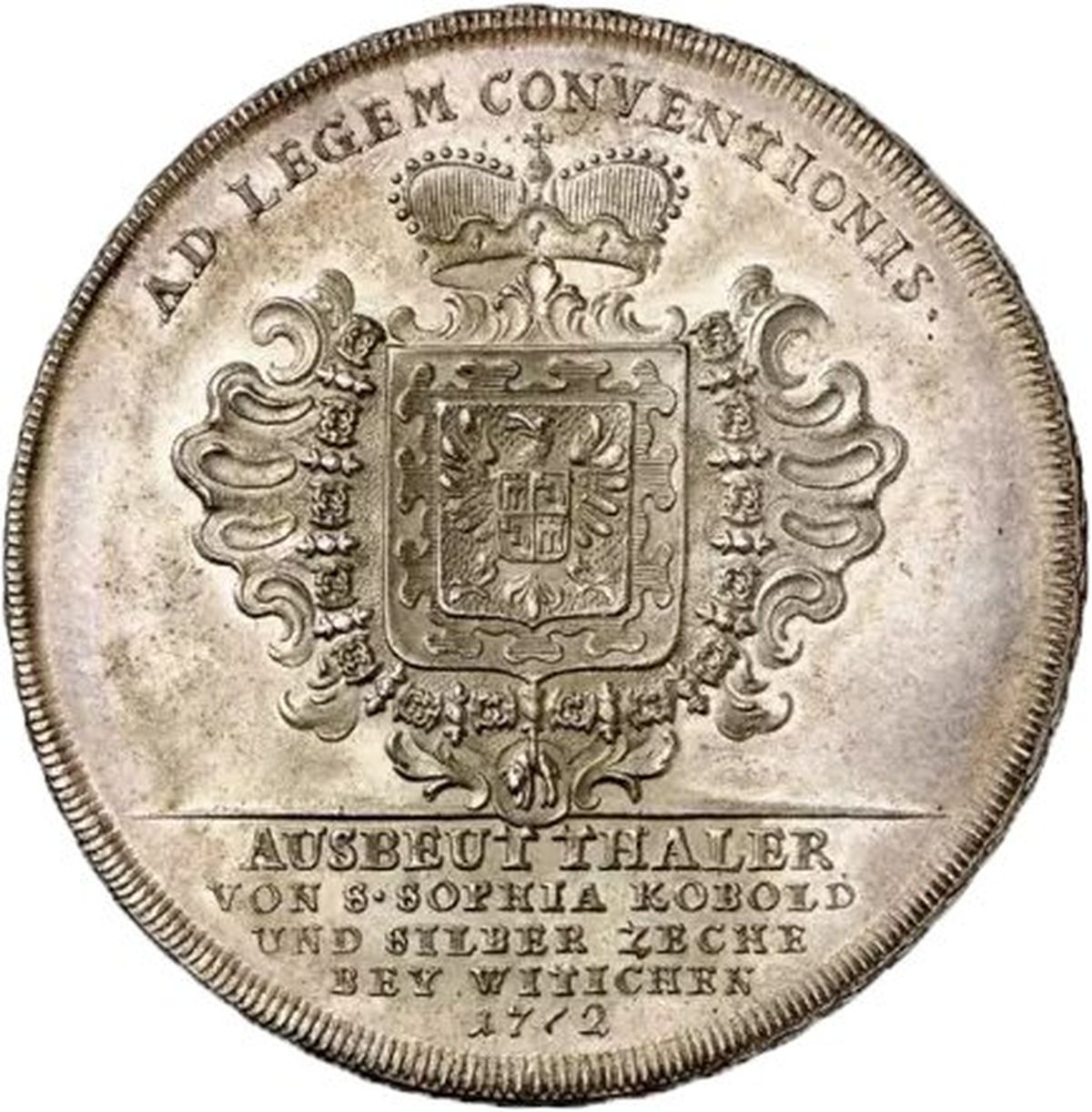
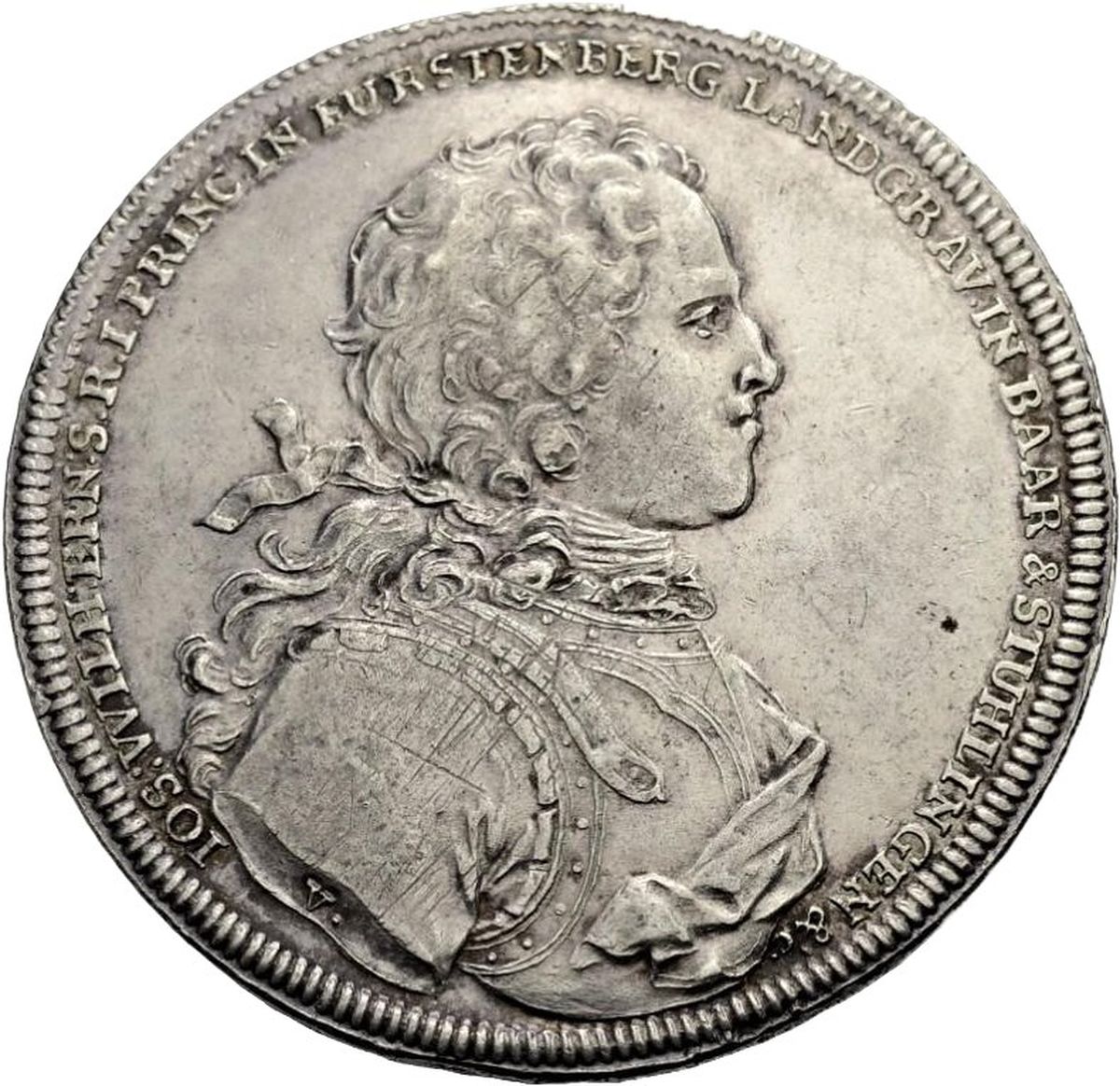
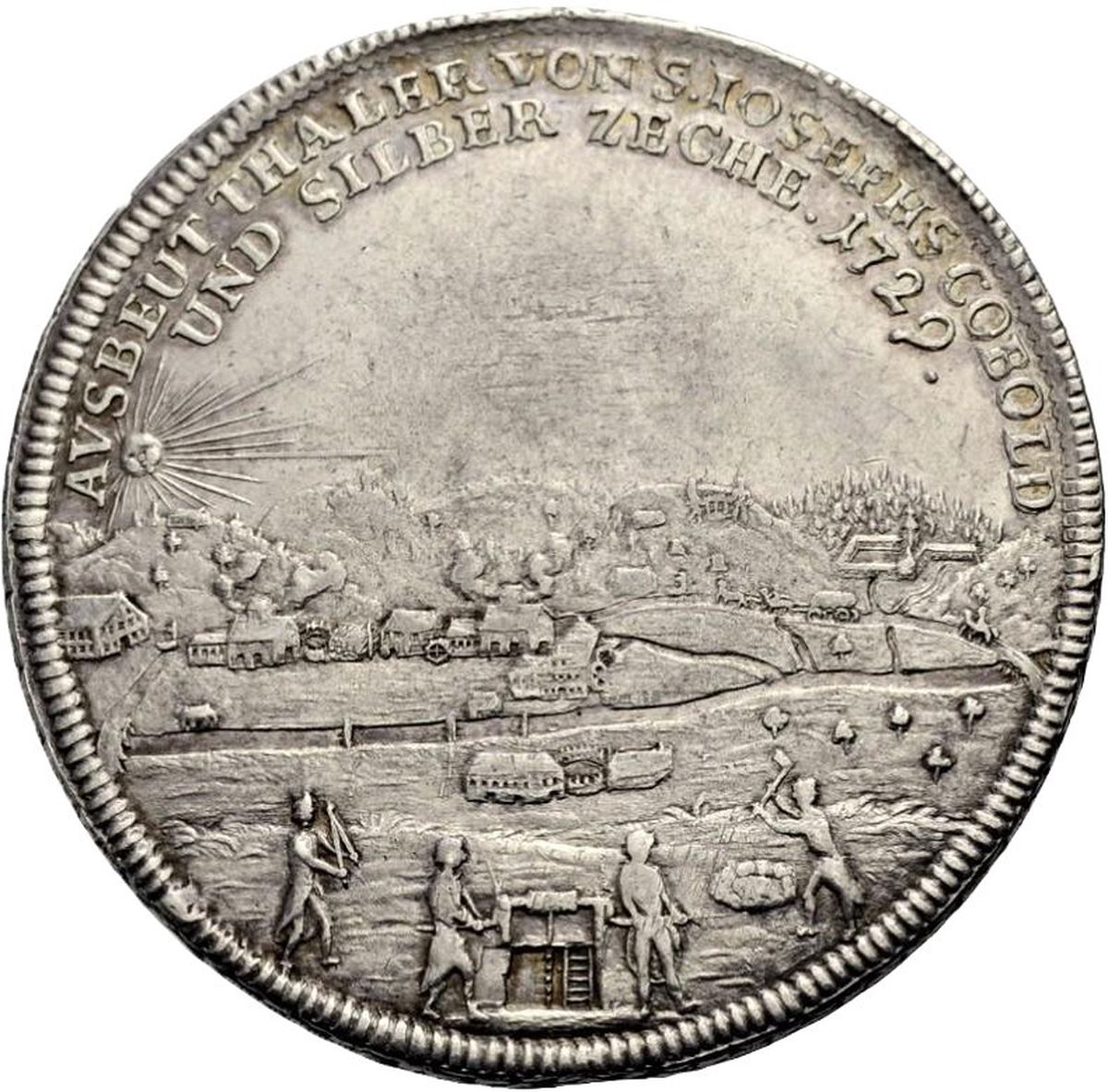
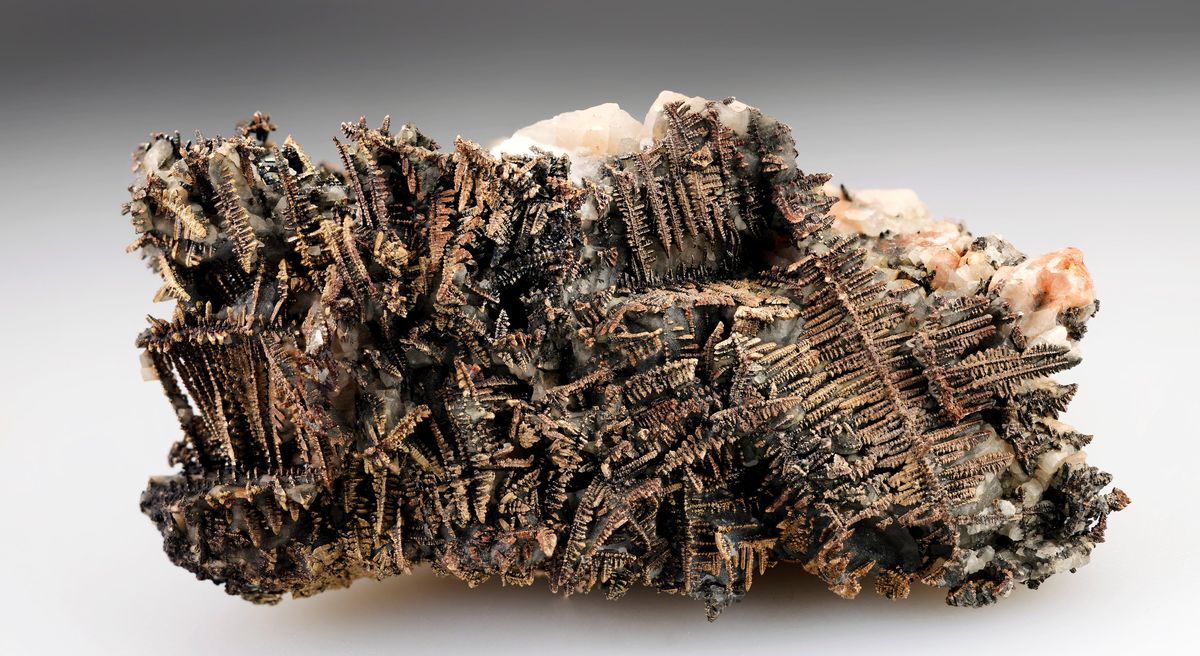
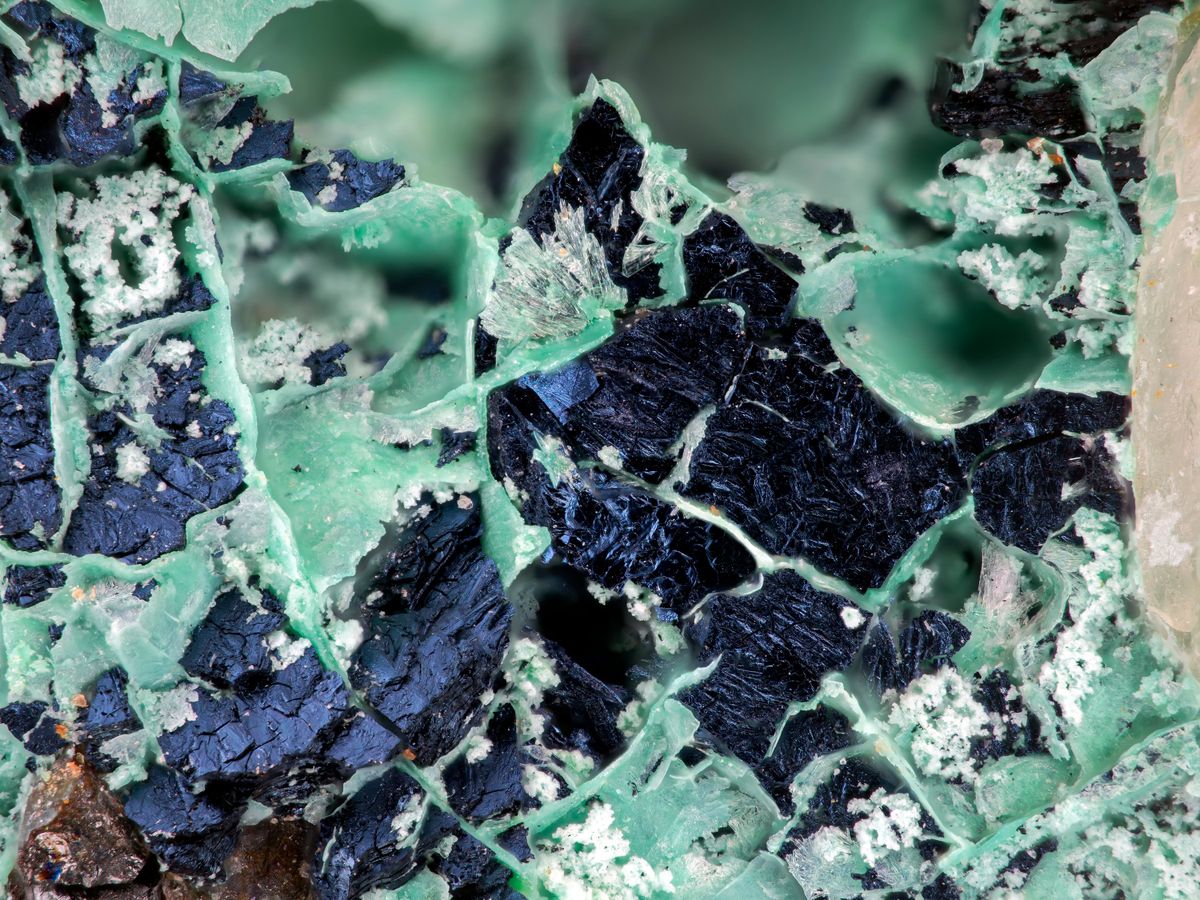
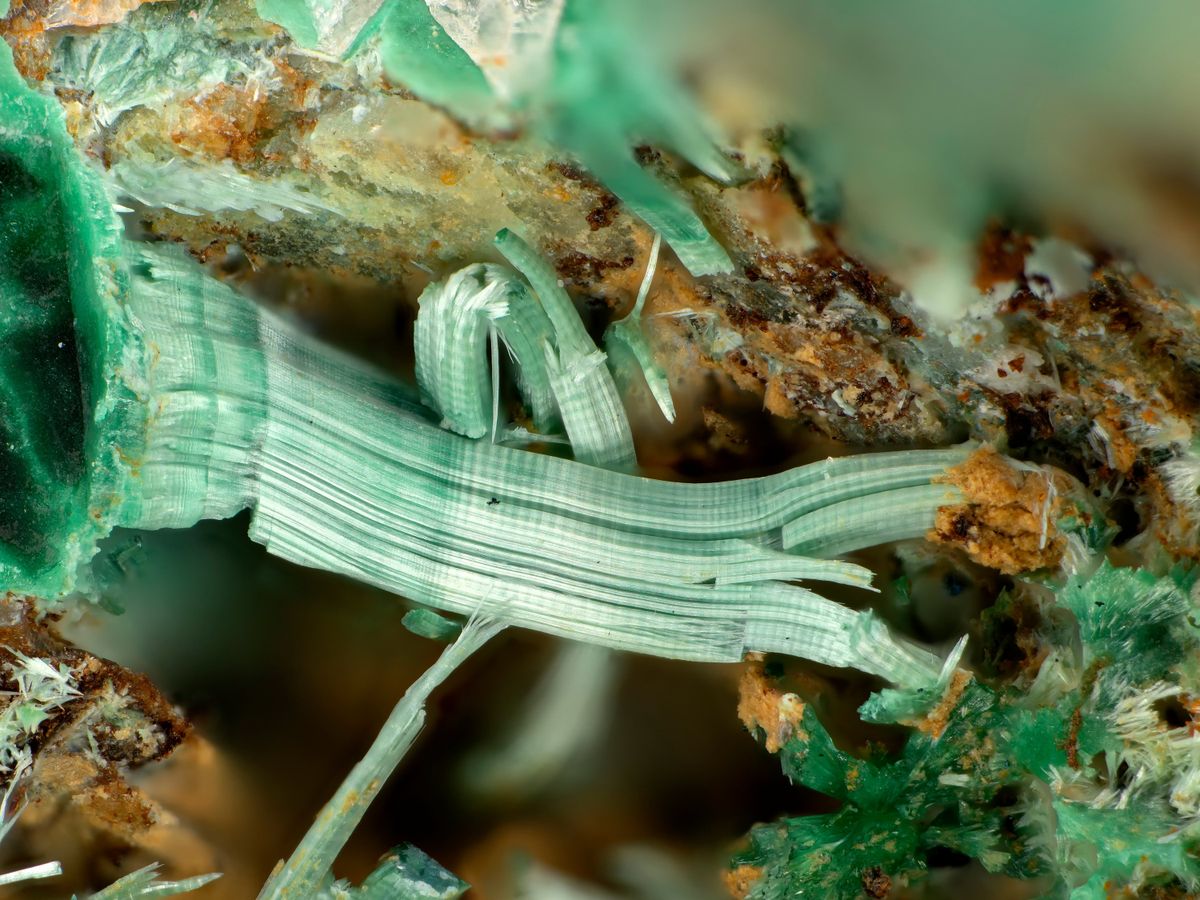
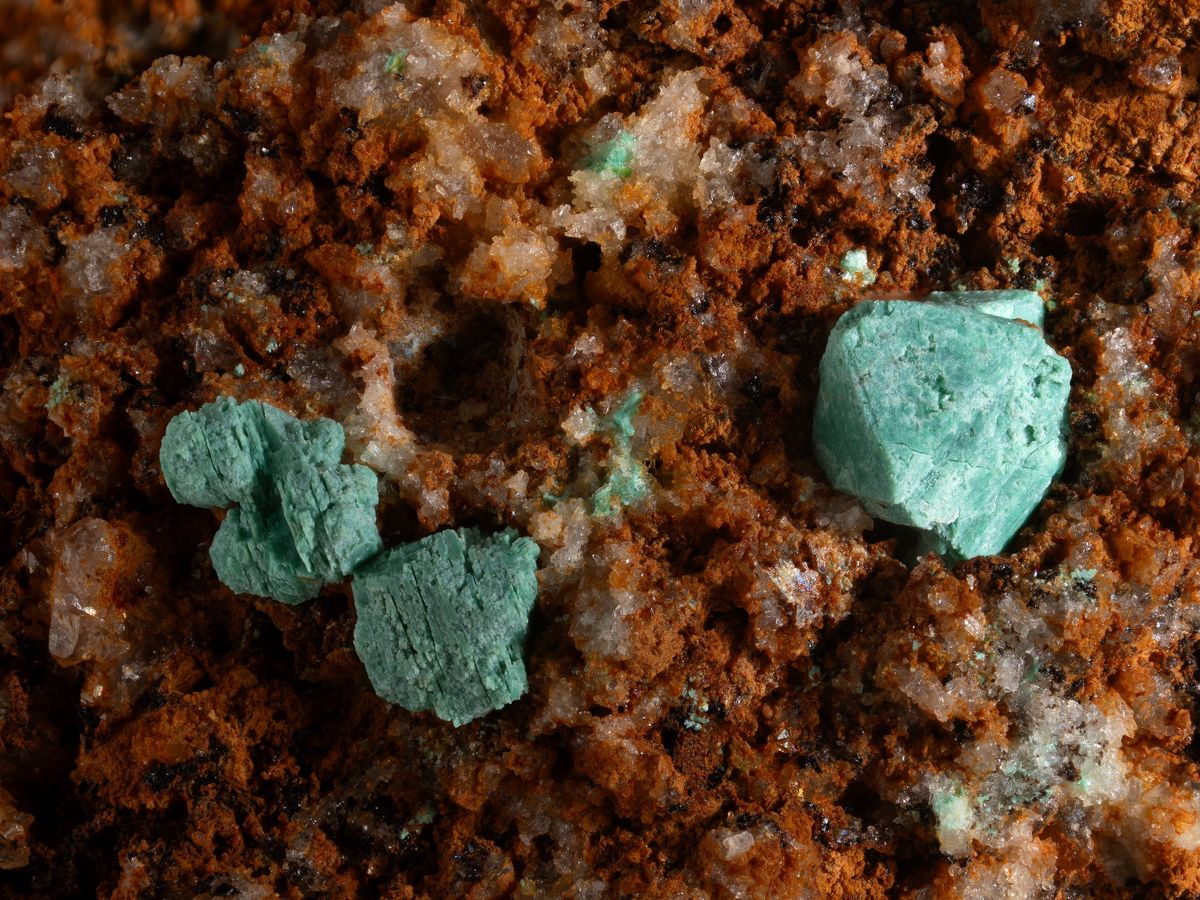
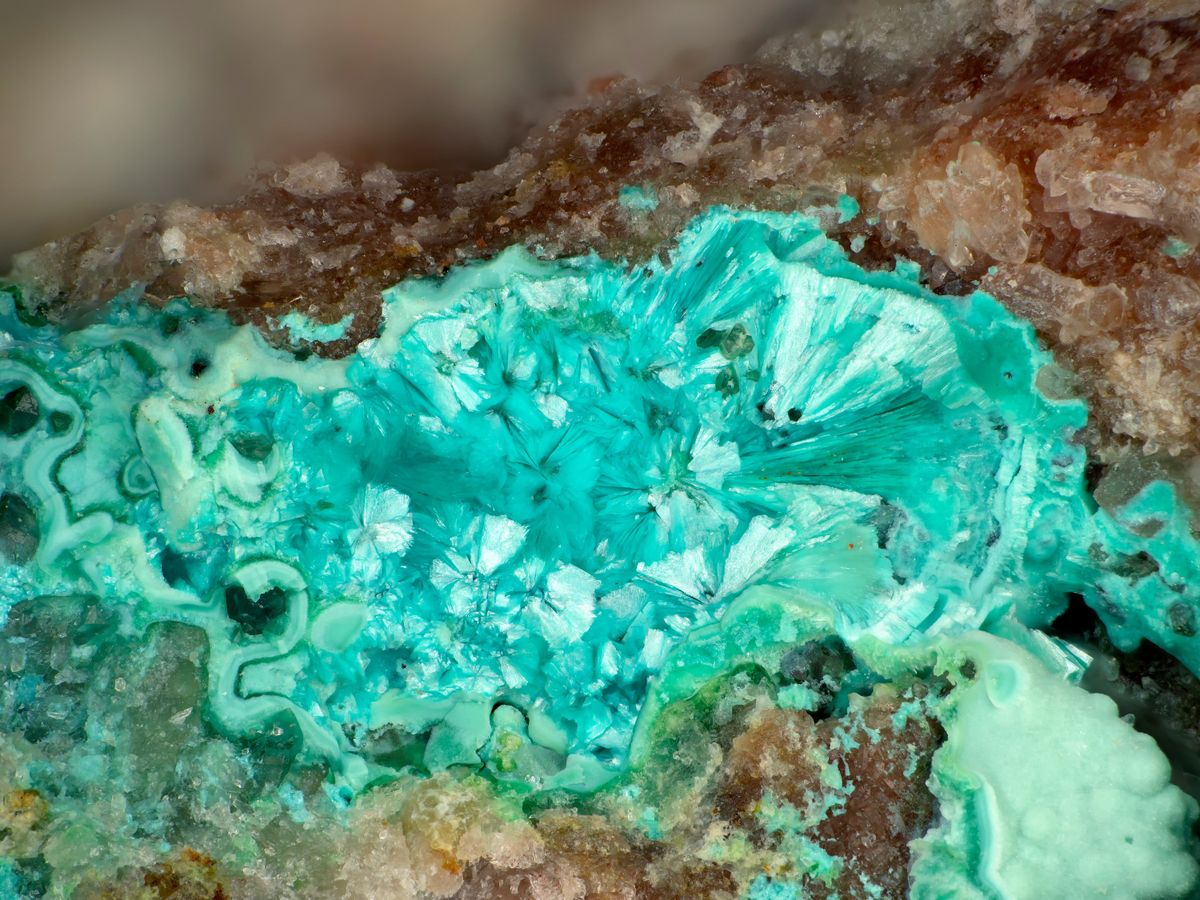
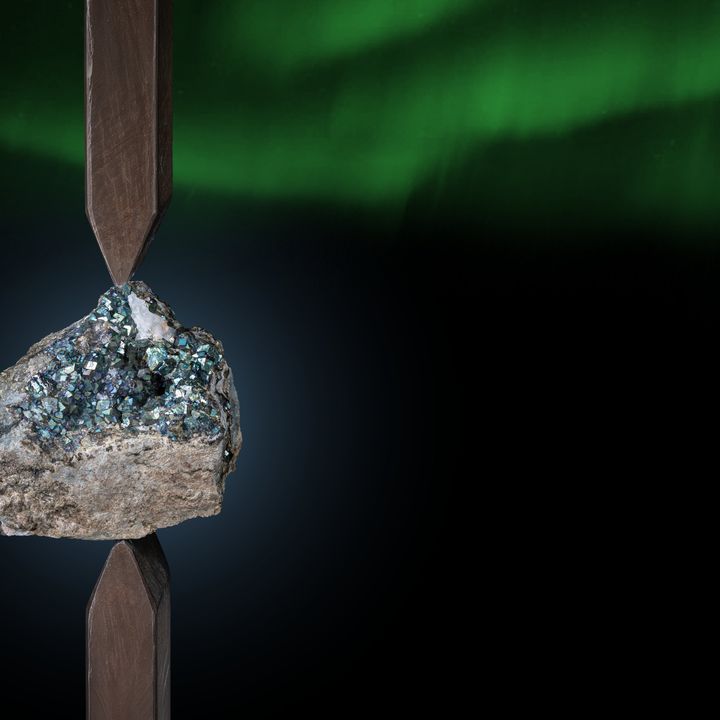
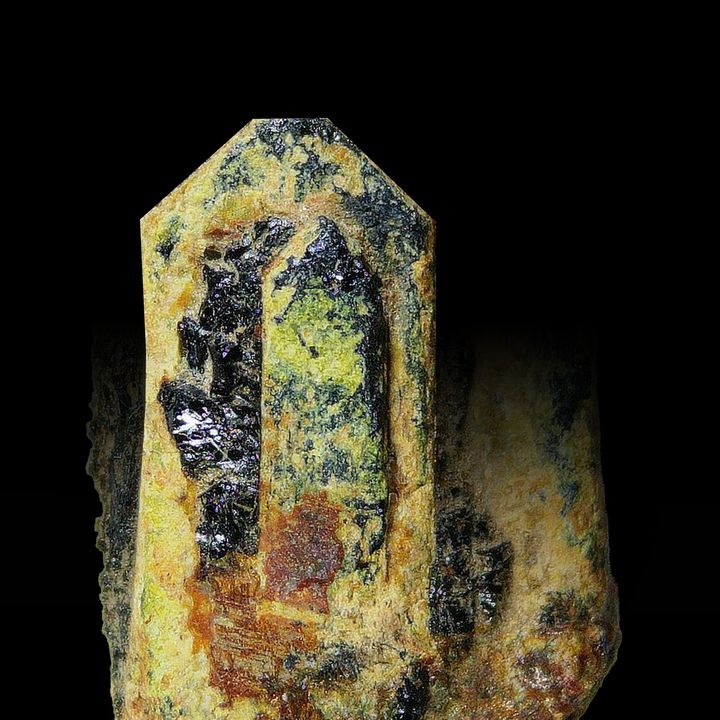
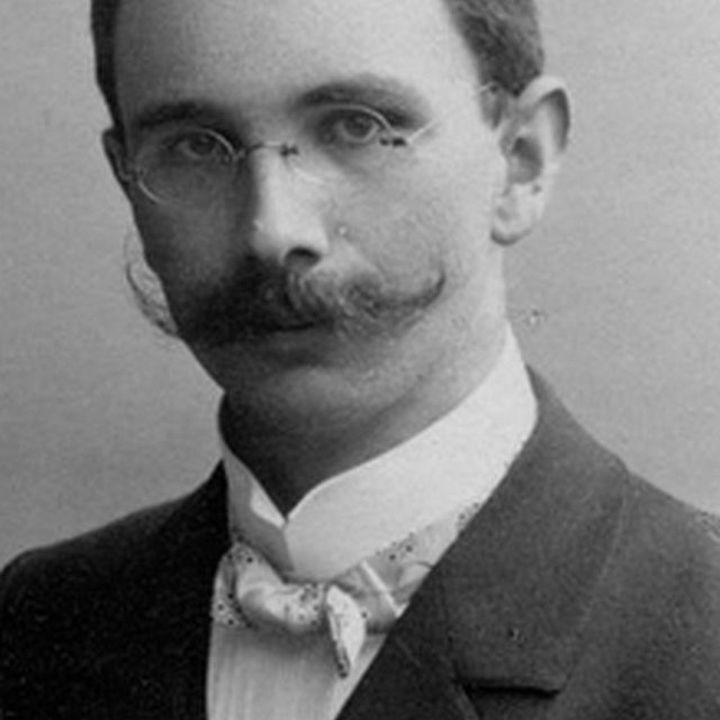
This small, remote side valley in the northwestern part of the Rottweil district in Baden-Württemberg was once a center of silver and cobalt mining in the Black Forest, and to this day it remains a well-known locality for fascinating minerals. As one of Germany's classic mineral localities, the district has long since gained renown far beyond the region for its extraordinary diversity.
Over the past decades, Wittichen and its surroundings have been the subject of numerous papers, some of them extensive and detailed [1], [2], [3], etc. They provide a wealth of information about this fascinating area, including detailed descriptions of the individual mineral species. The present article does not pursue that aim. It makes no claim to completeness and is intended as a supplement to the existing literature. It is meant to provide a stimulus for reflection and discussion. In this context it highlights, among other things, new findings and presents some discoveries from recent years.
Historical Background
Numerous references to the history of mining in Wittichen can be found, in particular in Bliedtner & Martin 1986 [1]. The following phases of mining activity in and around Wittichen can be distinguished:
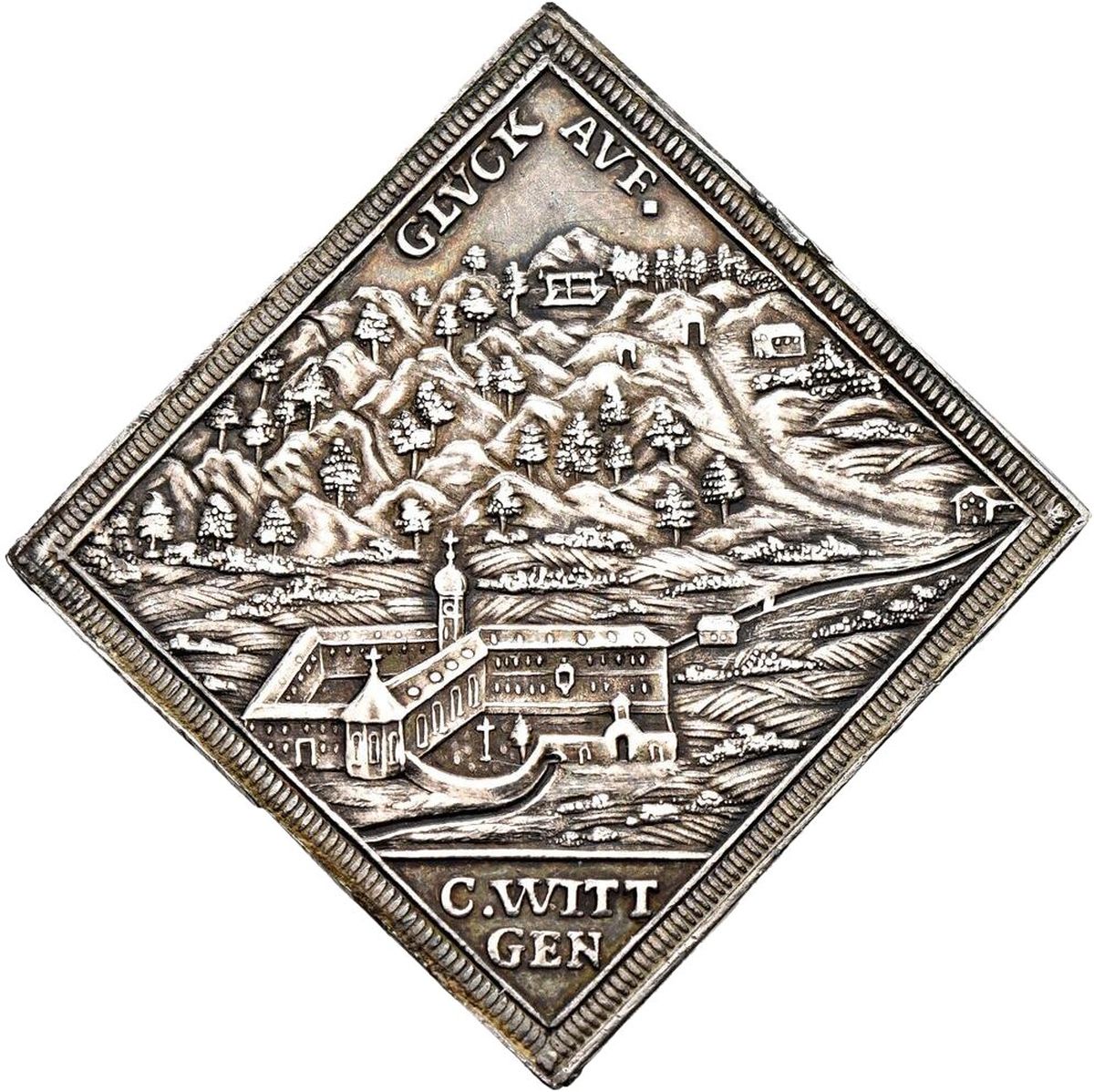
Early phase, in the Late Middle Ages: There is no firm evidence of mining from this period, but there is evidence for the founding of the Wittichen Convent in 1324 [16]. The fact that the Luitgard of Wittichen (1291–1348) established her Poor Clares convent in precisely this small, remote side valley is unlikely to be a coincidence: the choice of location may be connected with the ore deposits and with early mining for silver and possibly other ores.
Silver mining up to the 19th century: This is documented by various records — for example a charter granting mining rights, issued by Landgravine Elisabeth zu Fürstenberg in 1517 for the resumption of mining [20]. Since the document already speaks of a resumption, ore must have been mined before 1517. According to Kapf (1784, [1]), mining was already taking place at the Wittichen Silberberg in 1506.
Cobalt, silver and copper mining: From the first half of the 18th century at the latest, cobalt, copper and other metals were mined alongside silver — chiefly by the House of Fürstenberg and the Nuremberg and Calw mining companies [1].
Reworking („Nachlesebergbau“): the working-over of the dumps and the old underground workings by former miners and farmers after the end of regular mining, continuing into the second half of the 19th century.
Prospecting in the 20th century: Between 1935 and 1979 the district was examined in various studies for its mining potential, with bismuth, copper, cobalt, uranium and the mineralization of the gangue at the center of attention [8].
Post-mining use: Since the 1960s the remains of the former mining have served various purposes: nature conservation, with old workings providing habitat for bats and amphibians, for example [2]; the extraction of aggregate and fill material from the dumps; and finally tourism, in the form of the mining heritage trail.
Geographical Context
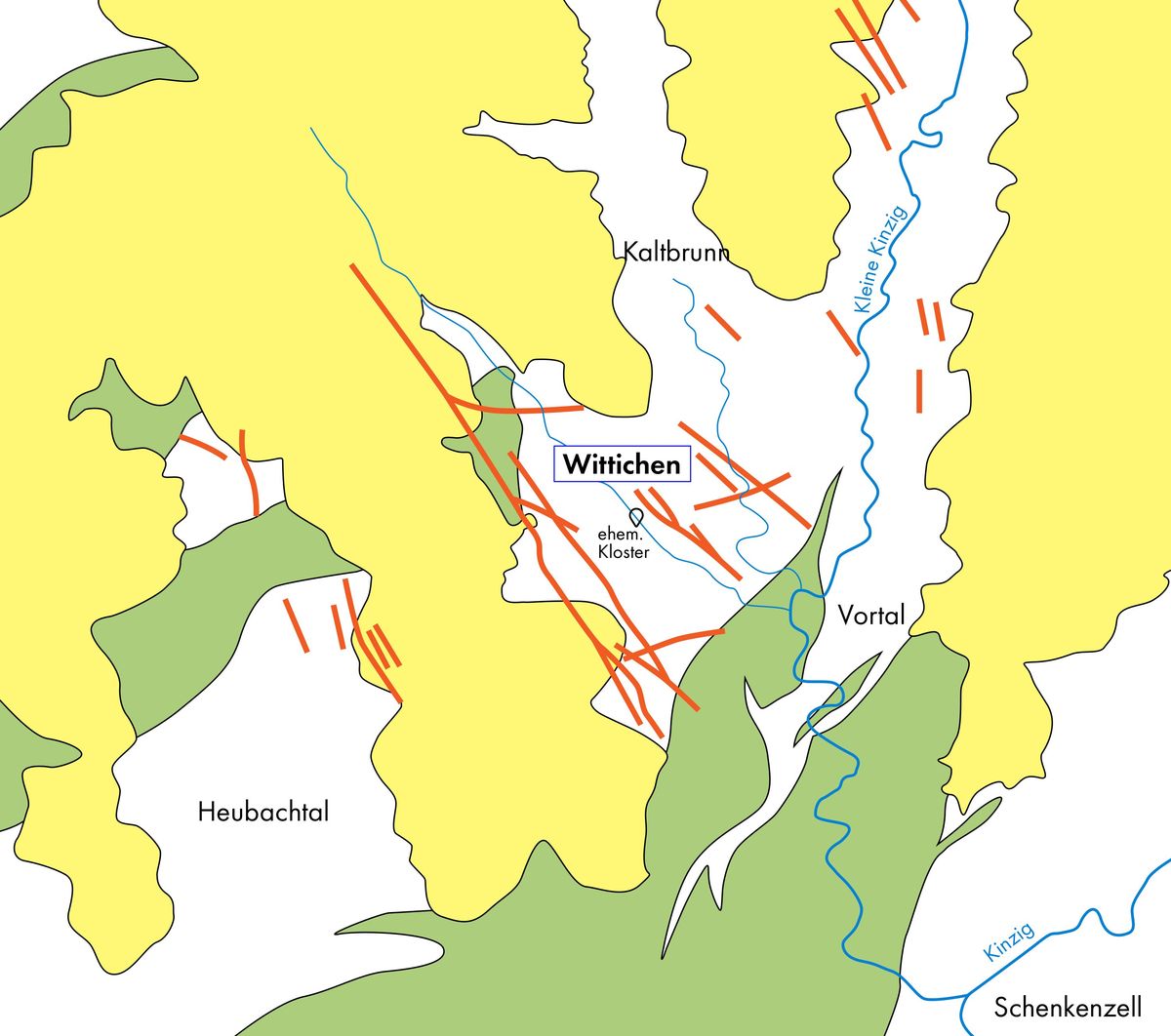
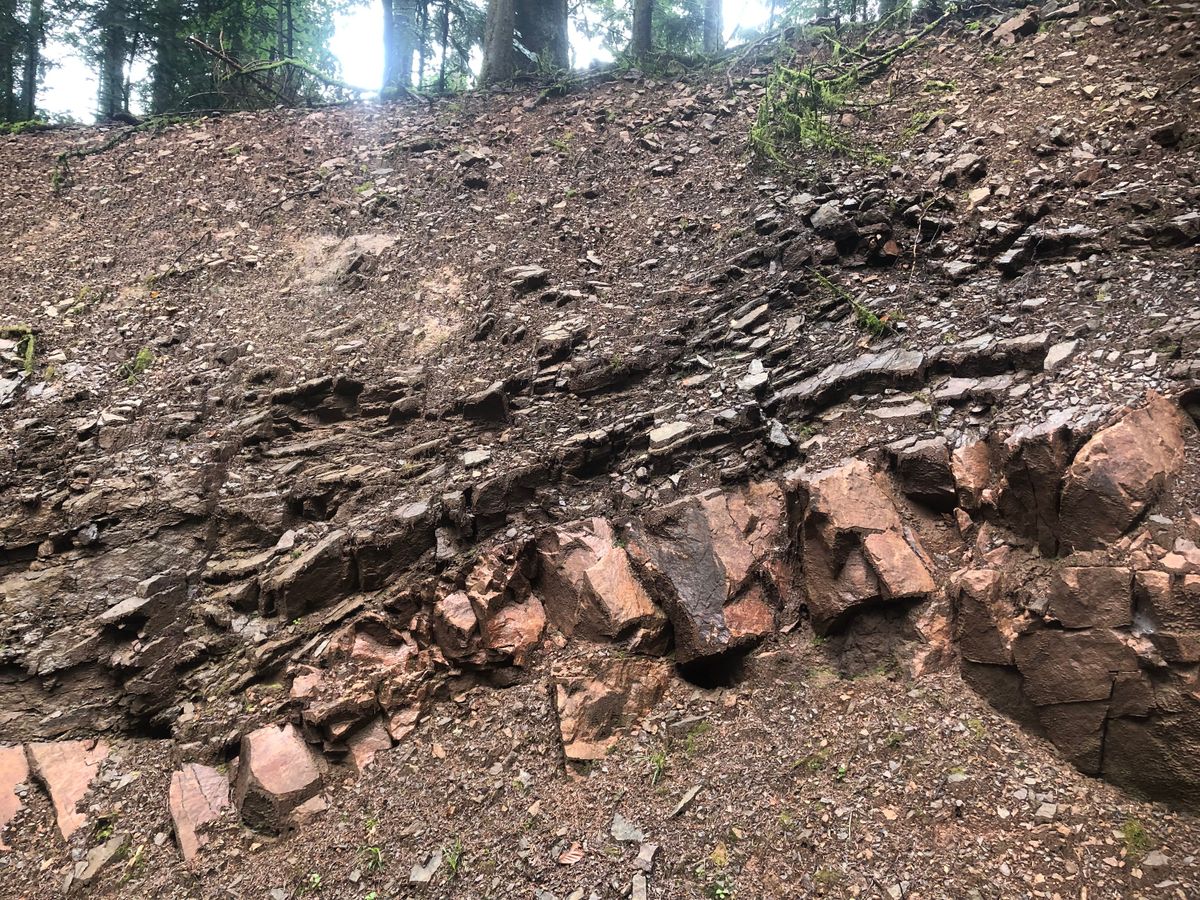
The Wittichen ore veins occur exclusively in granite, more precisely in the Wittichen Granite, a northern offshoot of the great Triberg granite massif [19]. This mostly reddish biotite granite is therefore the actual host of the mineralization. Geologically, it is a single, uniform vein district whose boundaries cut across the historical territorial divisions — the Fürstenberg and Württemberg lands. The old miners already knew that the veins were most likely to be workable where the country rock had been hydrothermally decomposed and made friable; they spoke of the "freundlich mild Gebürg" ("kind, mild ground"), in contrast to the barren, hard rock away from the veins [19].
The Wittichen Silberberg ("Silver Mountain"), on the orographically right — that is, southern — side of the valley, can be regarded as the core area of the former Wittichen mining and hence of the localities. Here lie the remains of formerly important mines such as the Sophia, Neuglück, Simson, Alt-St.-Joseph, Gnade-Gottes, Adler mines, and others. Characteristic of the entire district is the uniform strike direction of most veins, running roughly SE–NW.
In addition, traces of sometimes extensive old mining are found in Hinter-Wittichen (the Güte-Gottes mine), in the Gallenbach valley (e.g. the Daniel mine), in Vorder-Wittichen (e.g. the Johann mines) and elsewhere.
Strictly speaking, from a geological and mineralogical point of view, other deposits in the area belong to the Wittichen Bi-Co-Ni-Ag-U vein system. As similar as those veins of this mineralized area are to one another, so clearly do they differ from the other ore veins of the Kinzig area — a circumstance that led Breithaupt as early as 1849 to establish a separate "Wittichen ore formation" [19]. Spatially, this vein district extends from the Sulzbächle and Tiefenbach valleys across the valleys of the Heubach, the Wittichen Klosterbach, the Kaltbrunnerbach and the Reinerzau as far as the large Kinzig valley. Further veins occur north of Alpirsbach and south of Schiltach, while the ore-bearing granites disappear eastward beneath the Triassic cover rocks [19]. The surrounding occurrences are mostly small deposits with a paragenesis that is impoverished compared with Wittichen. In this connection, individual occurrences may be mentioned in the Heubach valley (e.g. Andreas, the Katharina mine), in the Reinerzau (e.g. the Raphael mine, the Emanuel mine and others), in the Stammel and Hunersbach valleys (e.g. the Hilfe-Gottes mine), in the Kaltbrunn valley (e.g. the Anton vein), and so on.
The small but mineralogically interesting occurrence at the Aichhalder Mühle ("Aichhald mill"), with the rare copper sulfide anilite, also belongs to this group. This recently discovered find will be presented in detail in a separate article in one of the forthcoming issues.
On the other hand, due to the large ore deposits, extensive mining was done in the Heubach valley (the Anton mine) and in the Württemberg part of the Reinerzau (the Dreikönigstern and Herzog Friedrich mines, among others).
Silberberg
The Simson and Neuglück mines in the Böckelsbach valley
By means of these two mines — Neuglück was opened in 1743, Simson in 1752 [19] — the SE continuation of the St. Joseph vein was tackled, mainly in the 18th century. What was mined was predominantly skutterudite and safflorite as cobalt ores, together with native silver in small ore shoots (steeply dipping ore concentrations that wedge out rapidly along strike). Both mines encountered rich ore bodies, but productive phases alternated with barren periods [19]; in the second half of the 18th century, dozens of tonnes of cobalt ore and several kilograms of silver were extracted. Simson and Neuglück are connected to one another via the deep Clara adit, and possibly also via stopes. In the dump of the Neuglück shaft, on the orographically left side of the Böckelsbach, specimens of the ore minerals can occasionally be found, as well as secondary products such as erythrite.
The Sophia mine in the Böckelsbach valley
The few still-visible mining traces of this once-rich silver mine consist of the collapse pit of the former shaft, the pit and dump of the upper adit, and the remnants of the lower adit. Between 1725 and 1856, 5.2 tonnes of silver and 127.6 tonnes of cobalt ores were extracted from the Sophia mine [1]; it is therefore regarded as the richest mine in the entire Kinzig area [19]. The ore minerals were concentrated in steeply dipping ore shoots of limited persistence along strike. As a result, most stopes are vertical, often extending several tens of meters downward.
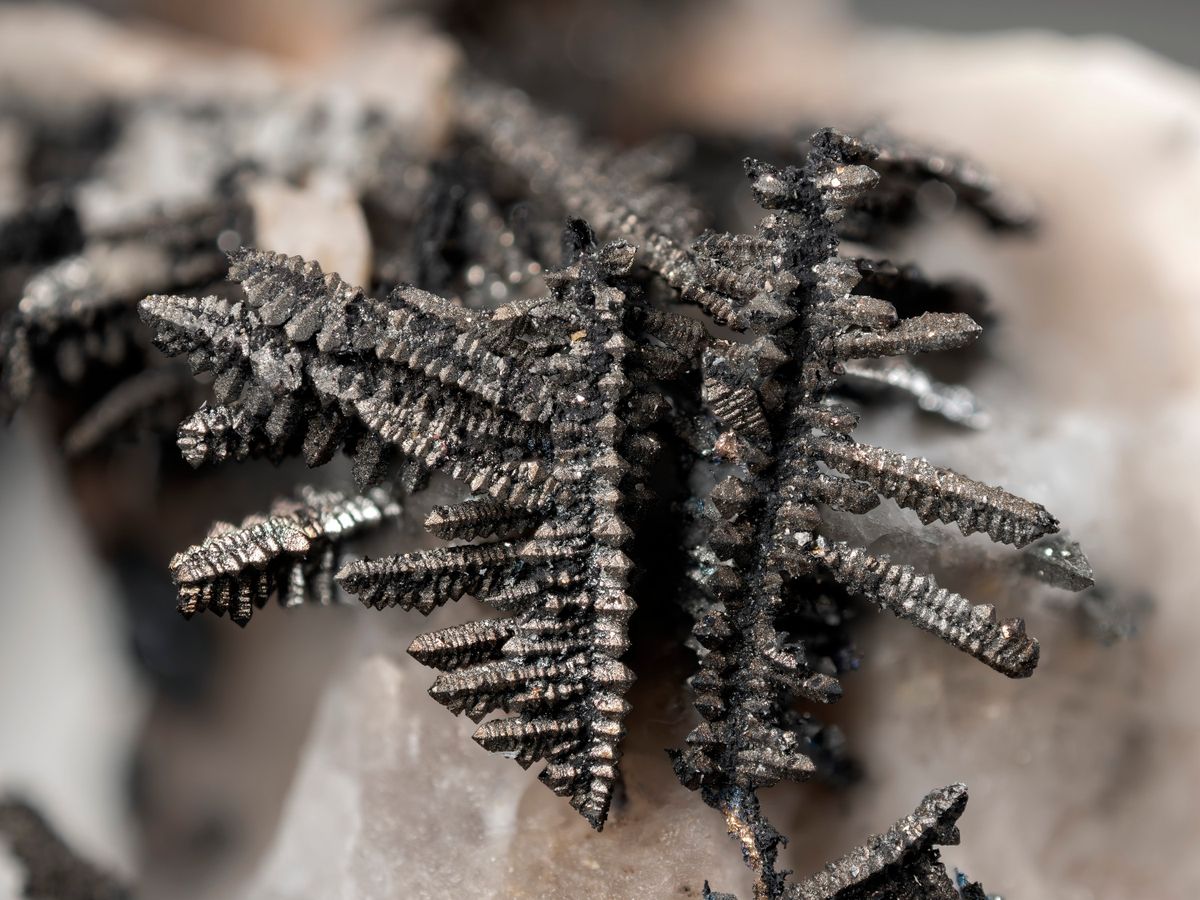
In addition, native silver occurred disseminated within the host rock: according to a contemporary account by Kapf (1792), it was so finely distributed in the reddish-brown, decomposed granite that the rock had to be wet-stamped and washed to recover it — the miners of old spoke of the "edler Granit" ("noble granite") [19]. The gangue minerals of the Sophia vein are baryte, calcite, quartz, fluorite and siderite. Contrary to statements in the literature (e.g. [1]), fluorite also occurs in the upper workings of the Sophia mine (e.g. the Cyclops drift).
Via stopes and shafts on ore shoots, as well as via the workings on the Roter-Löwe vein, the Sophia mine is likewise connected to the deep Clara level. The deep Clara adit serves parts of the Sophia mine as a drainage adit (the lowest adit, laid out for dewatering) to carry off the mine water that accumulates. Through intensive reworking in the 19th century, much of the mine workings was filled in with waste rock (backfill). With a great deal of luck, specimens with native silver, cobalt ores, native bismuth, uranium minerals and other species can be found on the dump of the lower adit and in its vicinity. Unfortunately, since the 1980s much of this dump has been carted away for road construction.
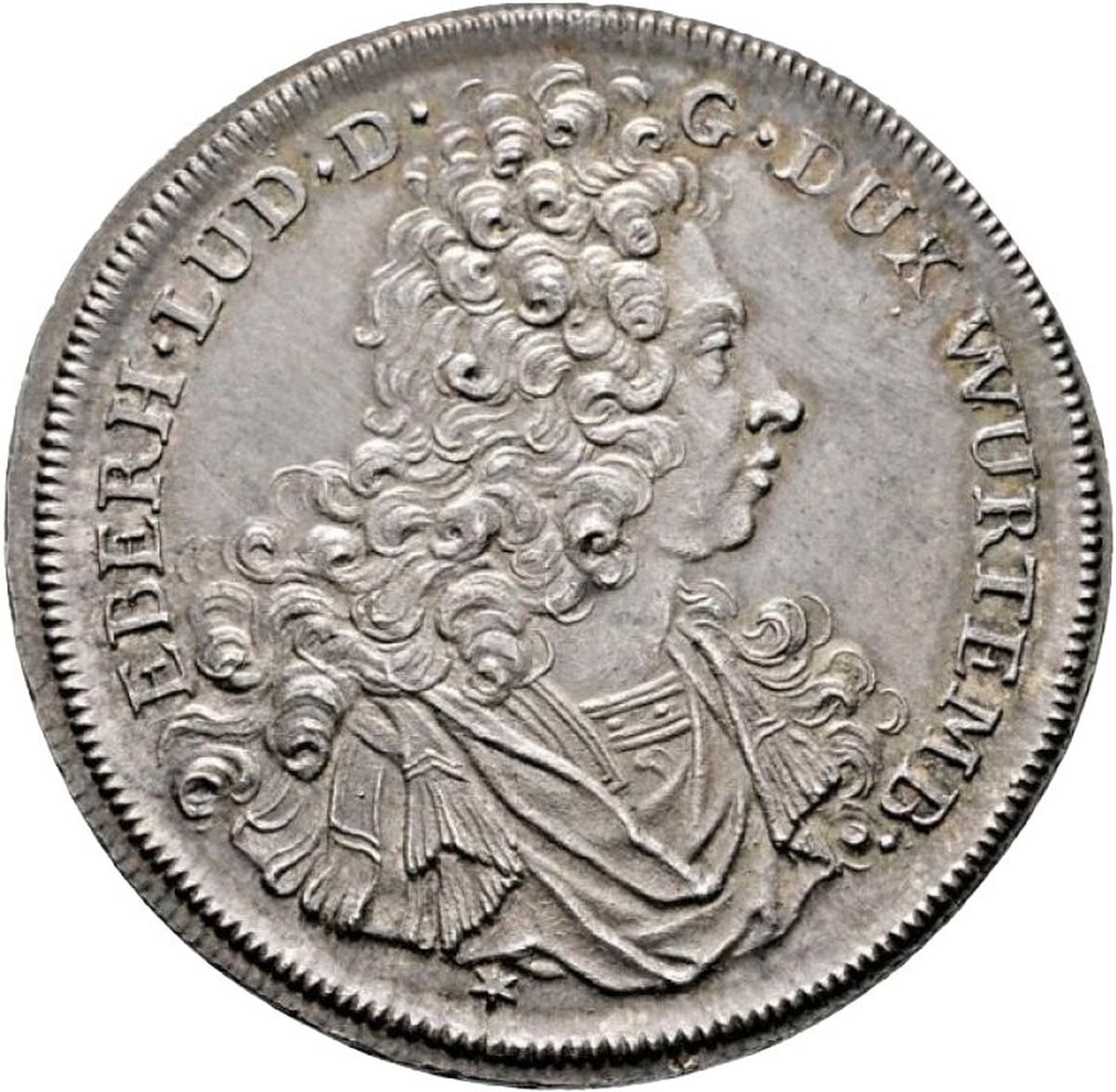
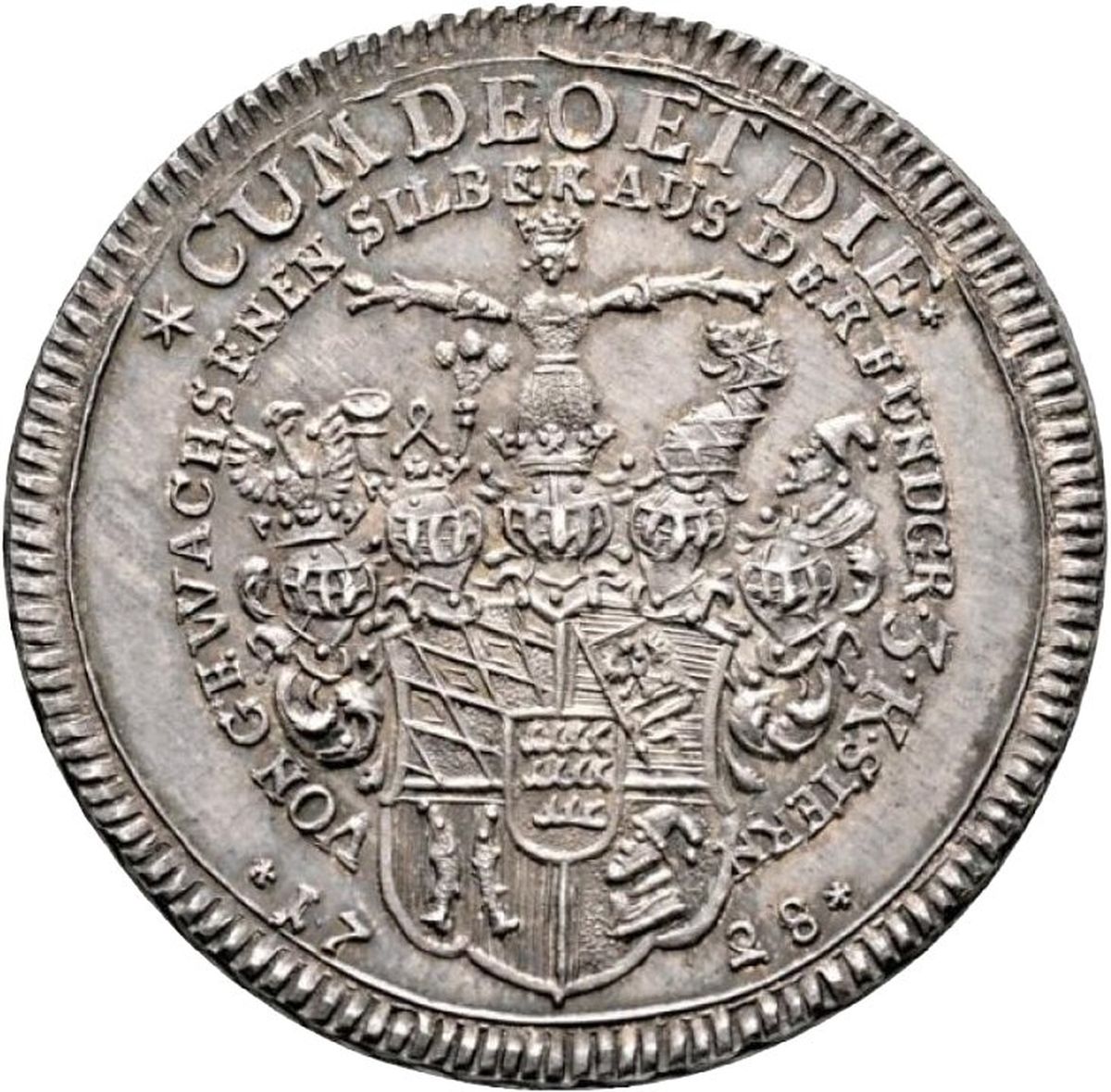
Even when active, the Sophia mine was famous for its specimens: the sale of display specimens alone brought revenues of around 4,800 guilders — compared with at most 88 guilders from other Wittichen mines — and these old specimens can still be found in collections around the world [3].
Adler vein
The Adler vein can be regarded as a continuation of the Sophia vein — both the geological and ore-deposit situation and the observations in the field and underground support this [23]. Independent mining installations for developing this mineralization, such as surface adits, cannot be clearly demonstrated; only a series of large pits in the forest above the Schmiedestollen dump can be assigned to the Adler vein. Underground, the historical backfill material has shifted in recent decades: because the old mine timber, mostly from the 18th century, is unstable, masses of backfill collapse and fall into existing cavities. In the case of the Adler vein, this had effects right up to the surface, for example in the form of subsidence pits.
As a typical representative of the Wittichen vein formation, the Adler vein carries predominantly baryte as gangue, with subordinate quartz and carbonates (calcite, dolomite, siderite). The vein thickness varies between about 10 cm, observed in outcrop at one mining pit, and around 80 cm. In the vicinity of the Gabelschacht (so called "Fork Shaft"), the vein was distinctly broken up into stringers and predominantly filled with quartz and carbonates.
It is separated from the Sophia vein by a pronounced clay seam, the so-called Schmerkluft [23]. Since this tectonic interruption causes neither a displacement of the veins nor a change in strike direction, the Adler vein could, on purely structural grounds, still be regarded as part of the Sophia vein. That it is nonetheless treated as a separate structure has mineralogical reasons. Typical of Wittichen is a trend in the ore content of the individual mineralizations: the more a vein approaches an E–W strike, or the further it extends to the NNW (only at the Silberberg), the more the cobalt-silver ores recede in favor of the copper-bismuth ores. Precisely to the NNW of the Schmerkluft, therefore, the ore paragenesis of the Sophia vein changes — and it is this change that justifies the separation of the Adler vein.
Accordingly, the primary ores in the area of the Adler vein are predominantly wittichenite, fahlore (tennantite-tetrahedrite series) and chalcopyrite. Only very rarely was sphalerite found (secondary?), intergrown with zinc-bearing fahlore and the even rarer galena. In the SSE part of the mineralization, by contrast — near the Schmerkluft and hence near the Sophia mine — the typical Co-Ag-Ni-U paragenesis appears, with skutterudite, safflorite, nickeline, uraninite and native silver [23], [24].
The two different primary parageneses correspond to a rich spectrum of secondary minerals that follows the distribution described above. Notable above all are arsenates such as picropharmacolite, sainfeldite, phaunouxite, erythrite, parasymplesite, mixite, zeunerite, heinrichite and uranospinite, alongside carbonates such as malachite and siderite, and sulfates such as brochantite, posnjakite and other, sometimes very rare, species [23], [24].
There are no separate records of the quantities of ore extracted from the Adler vein — possibly a consequence of the structure of the companies involved in the mining.
Roter-Löwe vein
Roter-Löwe ("Red Lion") is the name given to a vein structure in the center of the Wittichen Silberberg whose strike direction and course coincide with those of the main Wittichen veins (SE–NW). At a SW distance of about 30–40 m from the Sophia vein, it is also regarded as an accompanying (footwall) stringer of that important vein [4], [1].
It is striking that the Roter-Löwe vein has not been clearly demonstrated at the surface yet — neither through mining traces nor through vein outcrops. Possibly the vein, at most only 10 cm thick, does not appear at the surface at all. All the more remarkable, then, is that this vein was extracted by several mine workings at different depth levels — and hence by different mining companies (Gewerkschaften) — partly by means of elaborate crosscuts. The workings driven in the process are quite impressive, as far as they have been accessible in more recent times.
First to be mentioned here are the stopes between the upper Sophia adit and the deep Clara level, from which the Roter-Löwe vein was reached via crosscuts on at least three levels. Shafts and stopes here reach a continuous vertical extent of at least 75 m [4]. Further to the NW, the vein was also developed from the level of the Schmiedestollen, the Zobel shaft and the deep Clara adit. Even from the Böckelsbach valley, from the Johann-Georg mine — set on a stringer of the St. Joseph vein — a crosscut was driven toward the Roter-Löwe vein. In doing so, the vein and a further stringer were reached and followed along strike for short distances. The definitive proof that the vein had actually been reached was provided by the discovery of a specimen with native silver in this part of the Johann-Georg mine in the early 1990s.
The activities in the area of the Roter-Löwe vein date predominantly from around 1730 to 1799; in addition there was intensive reworking from 1800 onward.
An overview of the mineralization of the Roter-Löwe vein is given in [4]. It strongly resembles that of the Sophia vein, but way less diverse. Contrary to the statements in the literature [1], there was probably at least one steeply dipping ore shoot with predominantly native silver in the area of the Roter-Löwe vein — this is indicated by both the mine workings and the finds underground. Since this vein was accessible exclusively from underground, mainly from the areas of the Sophia mine, the few specimens present in collections usually bear the locality designation "Grube Sophia".
Finally, it should be mentioned that there is a similar configuration in the Wittichen district — a stringer accompanying the main vein that has yielded sometimes considerable quantities of native silver: the Heinrich vein at the Anton mine in the Heubach.
Hinter-Wittichen
The head of the Wittichen valley was strongly shaped by mining at the Güte-Gottes mine. Today, only faint traces of this mine remain: the dumps in the area of the local residential development, the sealed Schmiedestollen (not to be confused with the Schmiedestollen at the Silberberg, see there), and the subsidence pit of the deep Hilfe-Gottes adit. For collectors the area is of no interest, since exposures are neither existent nor possible.
The Güte-Gottes mine worked a NW continuation of the veins at the Wittichen Silberberg. Between 1724 and 1847 it produced 951 t cobalt and bismuth ore, 34 kg of native silver [20], and the then still unknown pitchblende (the massive variety of the uranium oxide, uraninite), which is described in an 1804 inspection report as "…ein eisenartiger wilter Kobolt…" ("an iron-like wild goblin"; Medieval miners believed that goblins haunted mines, replacing valuabe ore with worthless rock). Its heyday was in the early 1740s; thereafter, with numerous interruptions, only a weak operation persisted into the 1840s [19]. A dramatic event befell the head of the valley on December 28, 1882: after a thaw and heavy rain, a block of Bunter sandstone broke loose higher up in the Zindelgraben and slid down into the valley; among other things it carried away the dwelling standing on the Güte-Gottes dump, killing five people [19].
Vorder-Wittichen
The Johann mine at the Burgfelsen
The Johann vein was investigated in the 18th century by means of two adits one above the other; no significant quantities of ore were encountered. Disseminated, and rarely also freely grown, Cu-Bi ores such as chalcopyrite, fahlore, emplectite, wittichenite or native bismuth were found. As gangue, alongside quartz, predominantly fluorite and baryte occur here, forming fine crystals up to several centimeters in size in vugs. Unfortunately, the blue or greenish color of the fluorite is unstable, so that over time, the crystals frequently take on a yellowish tint.
The Johann and Maria mines at the Klosterbach
On the opposite, orographically right side of the valley near Vorder-Wittichen, there are likewise remains of former 18th-century mining. Here, too, these are fluorite-baryte veins without significant ore, but — in contrast to the Johann mine at the Burgfelsen — with carbonates such as siderite, dolomite and calcite. In the numerous vugs, well-formed crystals of the gangue minerals up to several centimeters in size were found. Rather rarely — embedded in the gangue — emplectite and wittichenite appear, occasionally accompanied by malachite and bismutite.
Gallenbach valley
The Daniel, Neubergmännisch Glück and König David mines
The mines in the Gallenbach valley all worked short-striking baryte-fluorite veins with Cu-Bi minerals. They were operated in the 18th century in the hope of discovering further silver and cobalt ores. Probably only the Daniel mine produced economically relevant quantities of ore minerals such as emplectite, wittichenite, fahlore, chalcopyrite, native bismuth or bornite. The rare mineral lautite could be demonstrated in the area of the Neubergmännisch Glück mine. On the dumps in the Gallenbach valley — by now barely recognizable — secondary minerals such as bismutite, malachite, mixite, azurite, langite, brochantite and many others were found alongside the ores mentioned. More rarely, specimens with fluorite and baryte crystals occurred, above all in the König David mine.
In Focus: The Schmiedestollen Dump
As the most famous locality of Wittichen, the Schmiedestollen dump is to be examined here more closely — in particular with regard to the origin of its dump material and hence the significance of this locality designation.
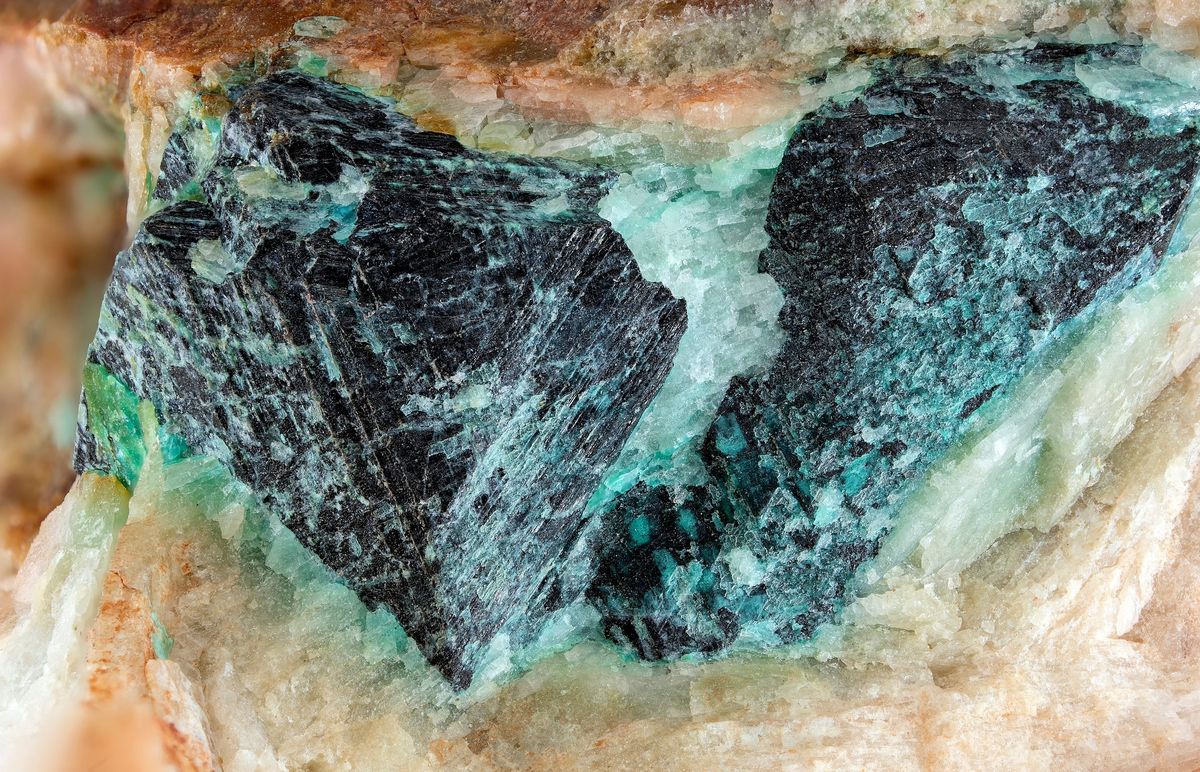
The dump of the old Schmiedestollen lies in the Schmiedetobel ("Smithy ravine") at the Wittichen Silberberg. From this dump, more than 150 of the roughly 240 mineral species from Wittichen have been described (mineralienatlas.de), including a number of rarities. Moreover, the Schmiedestollen dump is the type locality for several species, such as orthowalpurgite. It thus takes its place in a long mineralogical tradition of the Wittichen district: as early as the 19th century, several mineral species were first described from the Wittichen mines — among them pharmacolite, wittichenite and heubachite — and Wittichen specimens have been represented in the great European mineral collections since the 18th century [3]. A special role was played here by the collection of Fridolin von Sandberger, who studied the Wittichen ore veins in detail in the 19th century; his specimens were later given on loan to the Mineralogical Institute in Freiburg and were completely lost in the air raid on Freiburg on November 27, 1944 [19]. The extraordinary mineral wealth is due, among other things, to the weathering of the primary ores, making elements such as silver, cobalt, nickel, arsenic, uranium, copper and bismuth — but also lead, zinc, antimony, iron, manganese and others — become available for the paragenesis.
The name of this locality goes back to a former smithy in the northwestern part of the Schmiedestollen dump. To this day, small slag fragments occasionally occur in this part of the dump as remnants of smelting processes. This former smithy can be described as a mine smithy, since its existence was directly connected with the mining. Its main task was to repair worn tools [21].
How are the various ore veins at the Wittichen Silberberg, the historical mining of these veins, and the dump material of the old Schmiedestollen related to each other?
Decisive for the formation of this dump was the old Schmiedestollen, whose former portal is presumed to lie on a mountain spur above the dump. This adit was set out as a crosscut toward various mines and ore veins. After about 60 meters it first reached the Gnade-Gottes vein, or rather its vein stringers. On extending the crosscut through the granite, the Roter-Löwe vein was reached after around 40 meters. Through a further extension of the crosscut, the particularly ore-rich stringers of the St. Joseph vein were developed — first the Segen-Gottes stringer, then, after a few meters, the Jakobs stringer. Later the crosscut was extended by another 100 meters to the west into unworked ground, crossing further vein stringers that were, however, not profitable [1].
These crosscut operations at the Schmiedestollen level and on the levels above it explain, among other things, the high proportion of country rock on the Schmiedestollen dump. In addition, the enlargement of old workings through drilling and blasting from the 18th century onward generated even more granite rocks.
In addition, the Schmiedestollen dump contains material from the former Frisch-Glück adit, whose portal can be made out to the northwest above the dump. The Frisch-Glück adit was set on a separate vein stringer in the NW extension of the Sophia vein. It cannot be ruled out that excavated material from the pit area situated above was also deposited or sorted on the Schmiedestollen dump.
The material on the Schmiedestollen dump can therefore be described as a mixture from various ore veins. The locality designation used nevertheless makes sense, since assigning individual finds to one of the ore veins is almost impossible. From inspection reports it is known that there are focal points within the veins with respect to the mineral parageneses. As a rule, ore concentrations took the form of steeply dipping ore shoots of limited persistence. However, underground observations show that certain parageneses occur throughout all the ore veins (so-called "Durchläufer").
There are no reliable records about the original age of the Schmiedestollen crosscut. Around the year 1700, when the adit was reopened, old workings were struck while crossing the ore veins. Evidently, parts of the ore veins above the Schmiedestollen level had already been mined out [1]. A chronological attribution of these workings, and hence of the formation of the Schmiedestollen dump, remains difficult and speculative; it must be assumed that the dump material derives from different mining periods. According to a study by the Baden-Württemberg State Institute for Environmental Protection [25], the total volume of the Schmiedestollen dump is estimated at around 25,000 t of waste rock; a large part of this is likely to derive from the last main mining phase in the 18th century. However, underground there are also workings that could date from before 1700, since they were created by hammer-and-chisel work (Schlägel und Eisen). The mining technique of drilling and blasting, in particular in the 18th century, overruled the existing drifts and shafts — and often erased the traces of earlier mining. On account of its topographic elevation, the old Schmiedestollen is to be regarded as a middle-level crosscut. About 60 meters higher up, the Moses-Segen crosscut reached the two main stringers of the St. Joseph vein mentioned above. Other veins lying further SE had been mined in this area both at the surface, and underground, by means of stopes and shafts. The deep Clara adit can be regarded as the lower crosscut; after around 300 meters it reached the Adler, or Gnade-Gottes, vein, after about 335 meters the Roter-Löwe vein, and after about 400 meters the stringers of the St. Joseph vein. At the same time it served as the main drainage adit (Erbstollen) of the extensive mine workings, as a distinct outflow of water still indicates today.
Collecting
Owing to its attractiveness for mineral collectors from all over the world, the Schmiedestollen dump is among the most thoroughly searched localities. Despite the high proportion of country rock, intensive searching — combined with patience and a feel for the typical species and parageneses — repeatedly turns up attractive small minerals. This is shown precisely by the new finds of recent years. It is advisable to check pieces of granite as well, since at Wittichen impregnations of the country rock with ores and secondary minerals occur frequently.
Conclusion
Overall, the collecting prospects in and around Wittichen — as at many other localities — have deteriorated considerably. This is due partly to intensive collecting activity and partly to the fact that parts of the waste dumps have been carted away as road aggregate. Ultimately, the dumps and pits are becoming increasingly overgrown and will sooner or later fall into oblivion. All the more important, then, is it to document the still-accessible occurrences and to record knowledge of them for the future — a concern to which this article is intended to give an impetus.
Quite apart from mineralogical experiences, Wittichen is always worth a visit for hiking and relaxation.
Acknowledgements
Our special thanks for many fruitful conversations, excursions and the provision of specimens go to Matthias Zitzelmann, Michael Bittmann, Uwe Janouch, Stefan Gernsheimer and Robin Wolff.

/mineralica-magazine/l7j7f1/p8-01.jpg)