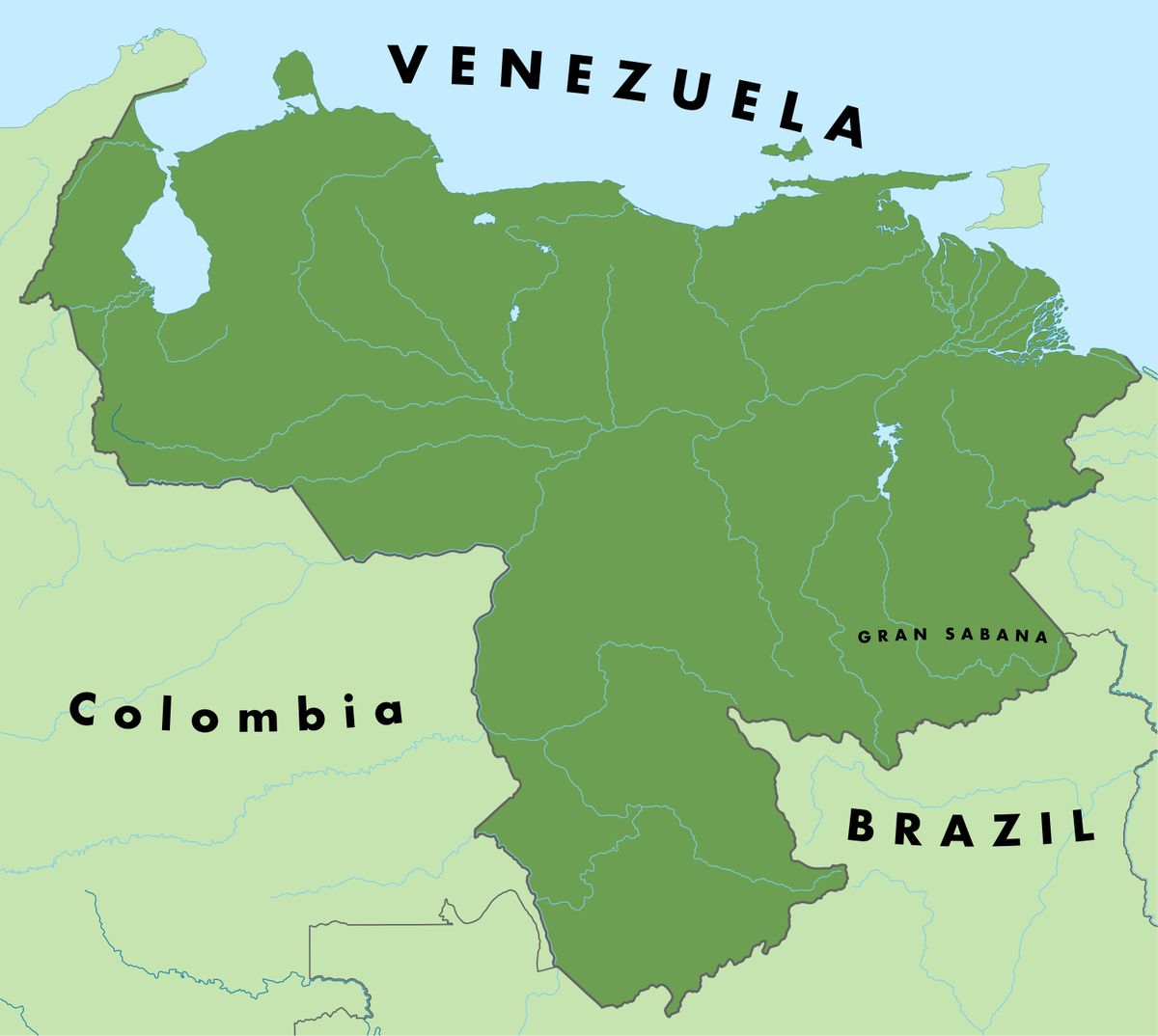
Deep in the Amazon jungle, in the triangle between Venezuela, Brazil and Guyana, lies a forgotten world. Gold and diamonds can be recovered here side by side, which is rare anywhere else, and it happens precisely where there is nothing in it for the large mining companies. Since 2022, three remote mines in this region have been yielding gold wires of a quality few localities ever produce.
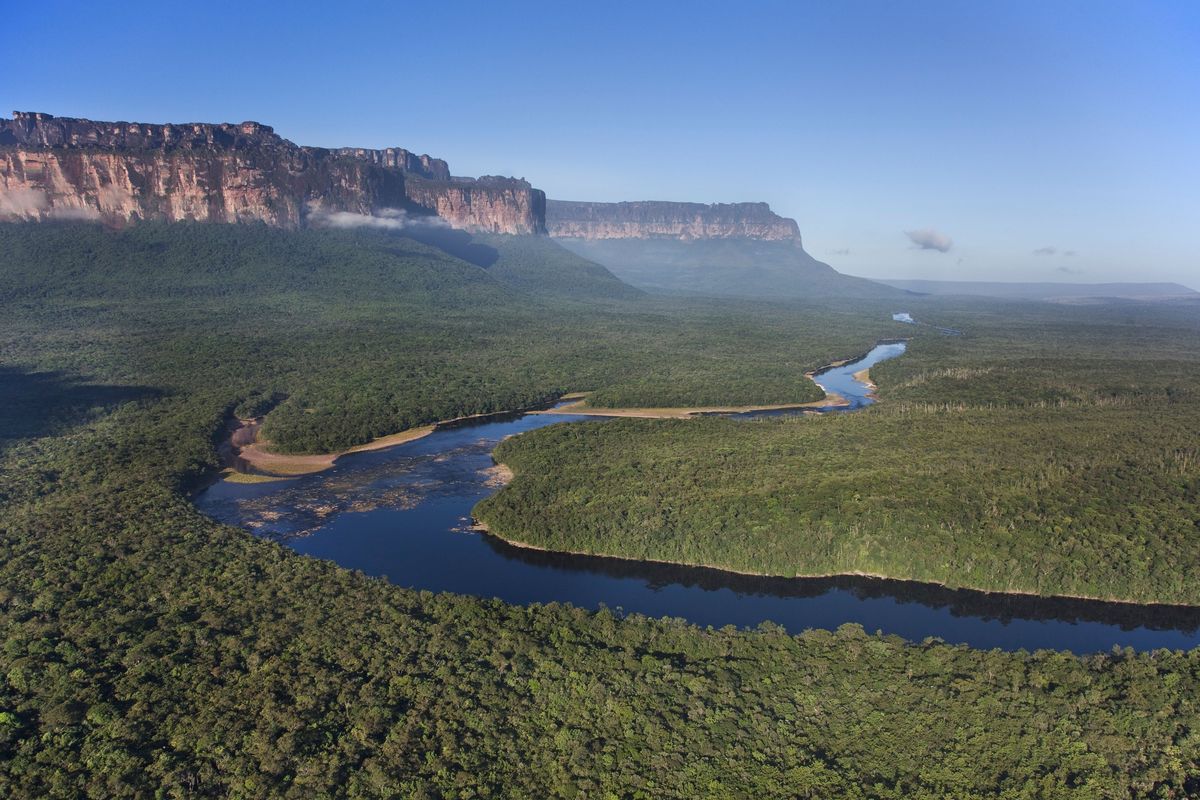
The plateau, generally known as the Gran Sabana, ranks among the most striking landscapes on Earth, with table mountains rising to 3,000 meters and Angel Falls, the highest waterfall in the world. The best known of the table mountains is Roraima. Even so, every trip here turns into an expedition. The country’s real trouble spot lies far away: the area around Caracas, struck by a severe earthquake in 2026, is more than 1,000 kilometers distant. The Gran Sabana, centred on Santa Elena de Uairén near the borders with Brazil and Guyana, is therefore considered relatively quiet.
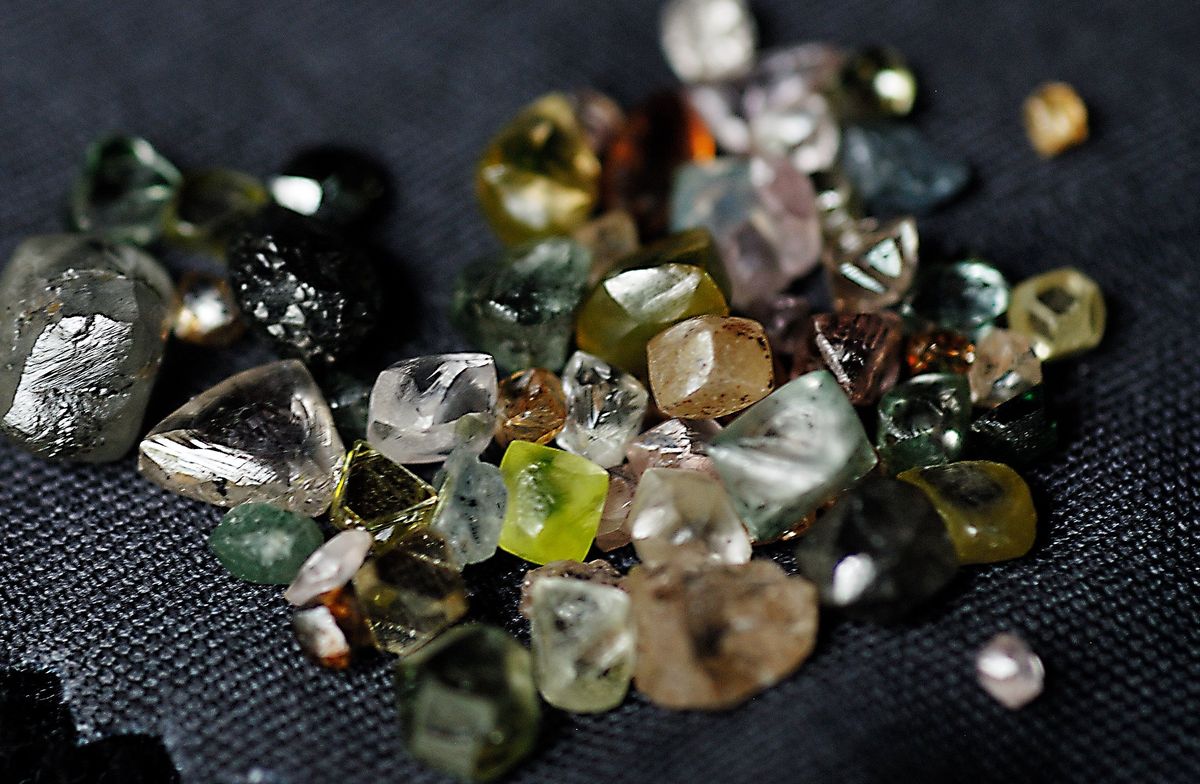
Venezuela’s actual gold country lies further north, in the state of Bolívar. The largest mining corridor in the country runs between El Callao and the settlement of Km 88. When the United States Geological Survey compiled the deposits of the Venezuelan Guayana Shield in 1993, it recorded more than 450 occurrences, among them over 200 for gold and more than 106 for diamonds, most of the latter in placers. The El Callao and Lo Increíble districts alone accounted for more than 70 of the 125 recorded vein gold occurrences, and that was only a third of the more than 230 gold-quartz veins already known there. This gold sits in quartz veins and is mined on an industrial scale. For years the area was controlled by Colombian guerrilla groups and criminal gangs. Only recently the Venezuelan army, supported by US drones, eliminated the most dangerous members of the Tren de Aragua gang at Km 88. The corridor has been under clearance ever since, and under the new political circumstances US mining companies are increasingly taking over the claims. For collectors, though, the corridor holds nothing. What comes out of it is ore, not crystallized specimens. What collectors are after grows far to the south, in the weathered ground of the Gran Sabana.
The “Jungle Buyer”
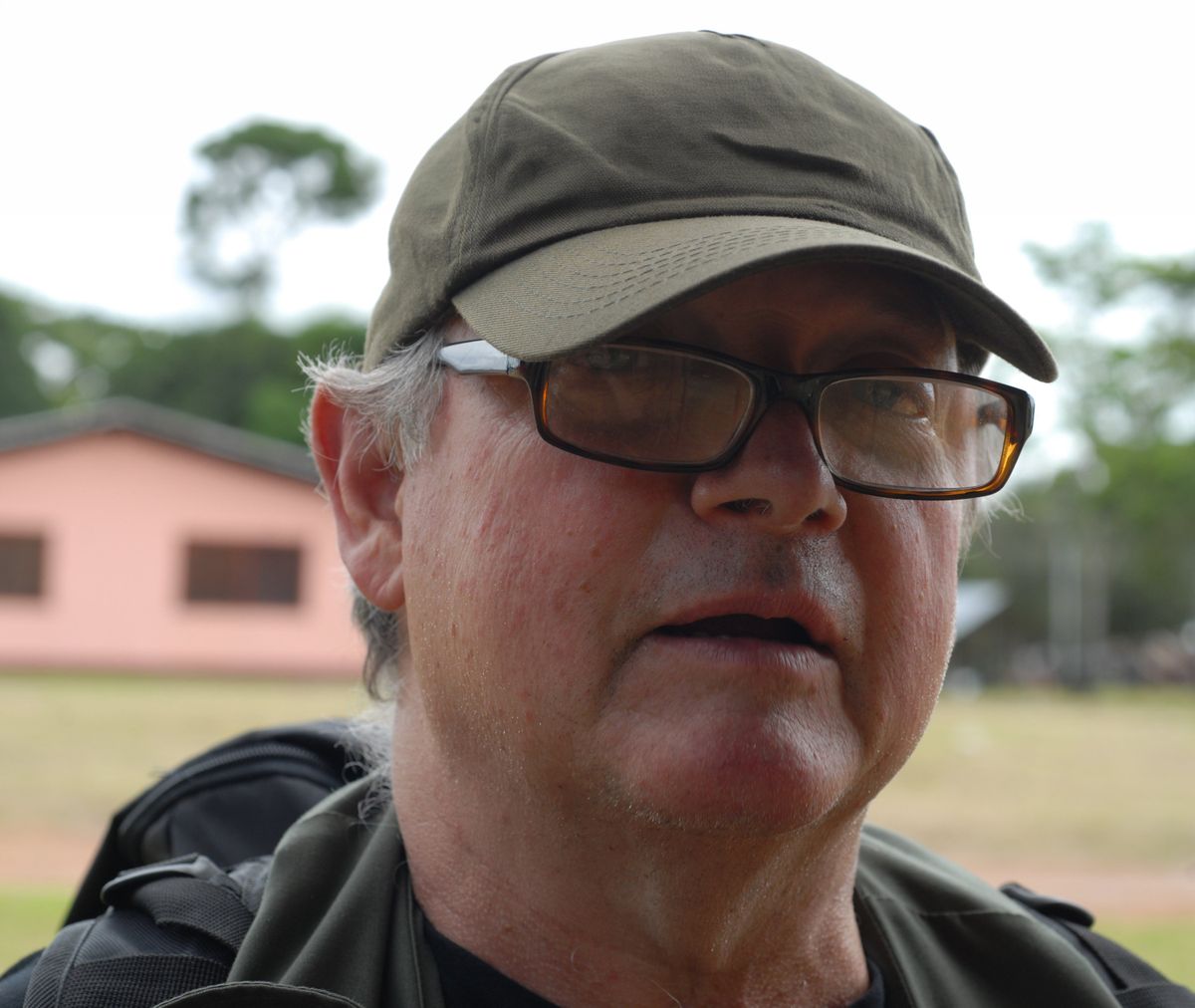
But who are the people looking for gold in the depths of the jungle under near impossible conditions? One name stands out, Alejandro Stern from Santa Elena de Uairén. After 24 years in the Venezuelan oil industry he gave up his career and went into the Amazon jungle. In Venezuela, Stern is known as “El Trompo Rojo”, a name that also belongs to one of the rarest gemstones found in the region, the blood-red diamond. A single carat can fetch around one million euros on the open market. Some Americans called him the “Jungle Buyer”, because he always had the finest gold crystals and diamonds to hand.
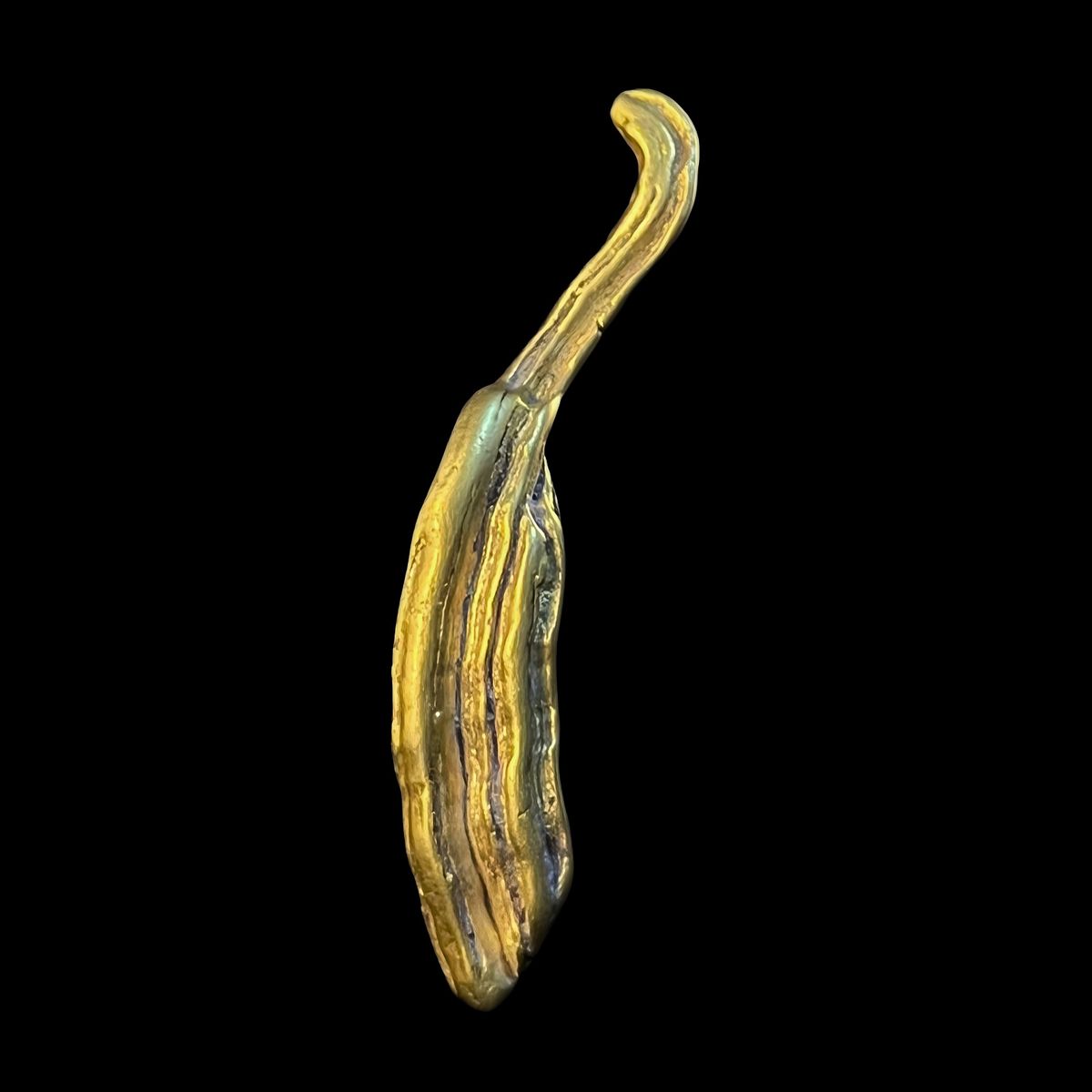
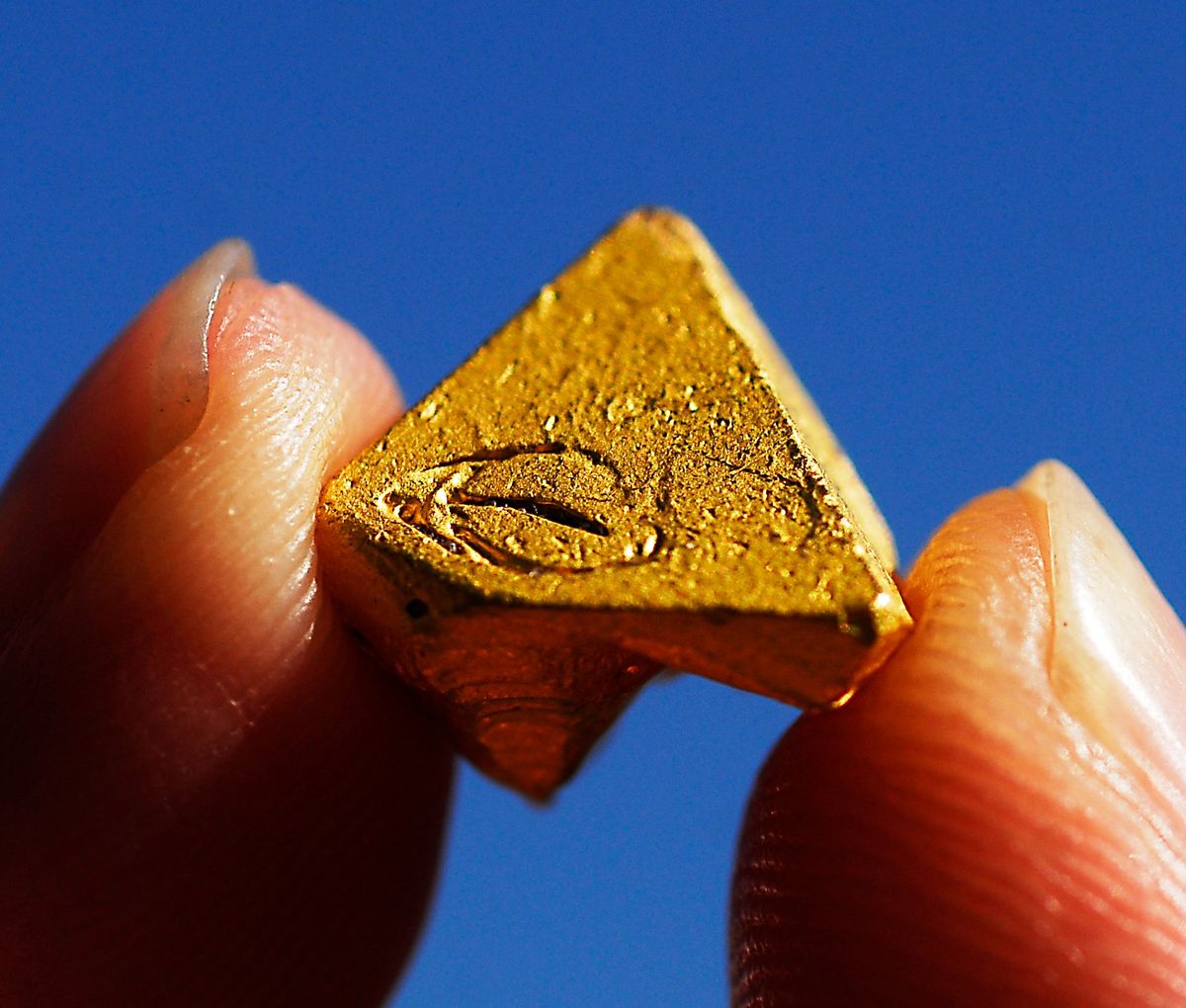
His assessment today, “The area is now free of criminals and rich in gold crystals”, reflects how much the situation has changed. And for some years now, something has been coming out of the ground there that even experienced collectors rarely get to see. Gold wires, traded as wire gold, are crystallisations of native gold that take on a thread-like form instead of a compact one. Single crystals occur in the same region, octahedra through to dodecahedra, but they come from different mines.
The silver wires of Kongsberg in Norway are the famous case, occasionally reaching 50 kilograms. Decorative gold wires are rarer still. Those from the Ground Hog Mine in Colorado are among the most sought after.
The Famous Dragon Wire Gold
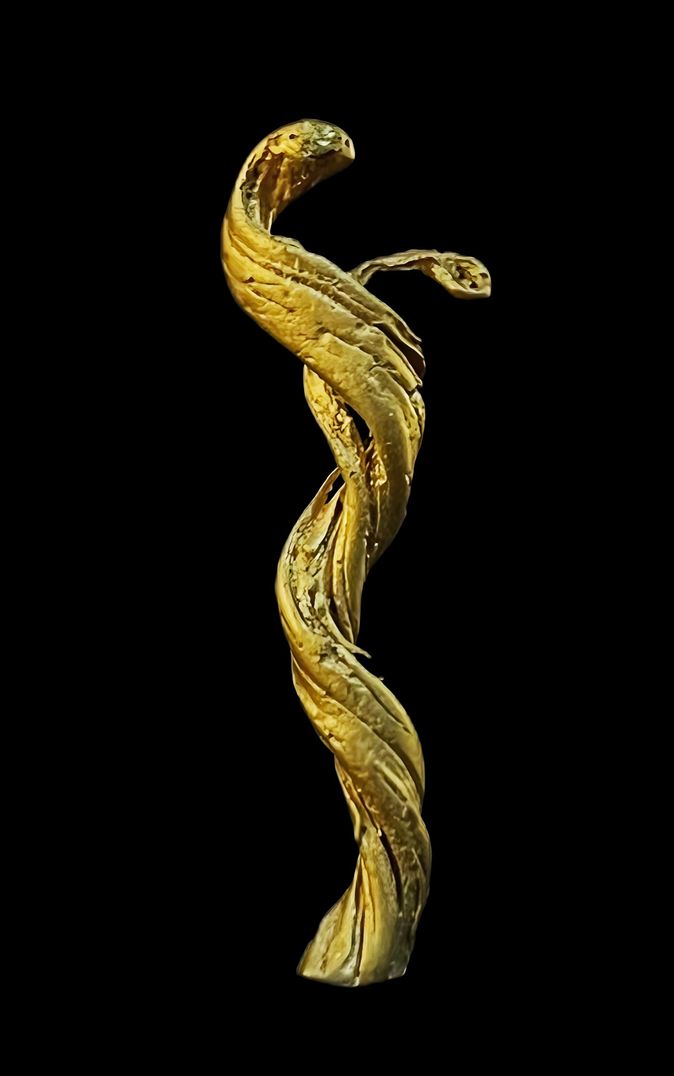
Alejandro Stern once owned the celebrated “Dragon Wire Gold” from the El Infierno Mine near the Icabarú river. The story goes back some twenty years and sounds almost too good to be true. One day, while Stern was buying gold and rough diamonds in his office, pieces of gold with a pronounced green tint turned up. Nobody wanted them, because that color pointed to a high silver content, whereas the local gold was normally of far better quality. At the time, gold crystals were known only in cubic forms. Wires longer than 20 centimeters were often melted down because nobody recognized what these unusually large pieces were worth. The prospector, who worked with metal detectors, produced several very unusual gold wires from the El Infierno Mine. He confirmed that the 361-gram piece had been sitting in a matrix of clear, pink quartz. He had broken the matrix open to free the wire, with no idea what the wire in that matrix would have been worth.
Stern bought the piece anyway, for 2,000 dollars, and later sold it for 50,000 dollars to a collector in the USA. Hannes Keilmann, who was running the Munich Show at the time, recognized the aesthetic quality of this golden spiral and put it on the main posters advertising his event. The piece changed hands once more, for more than 2,200,000 dollars, and found a place of honor at the MIM Museum in Beirut. These are the stories dreams are made of.
How Do Gold Wires Grow?
The interesting question is what makes a wire a wire in the first place. Only a few minerals take this form, most commonly silver, gypsum, gold, malachite and ice. True wires grow differently from ordinary crystals. They do not add material at their surface but only at their base, much as hair does. They sit on a spread foot and from there either split into curling tendrils or taper to a point. They show no crystal faces.
That foot is exactly what Dr. Dave Mustart of San Francisco State University works on, the mouth where the wires emerge from the quartz. Dr. John Rakovan, formerly of Miami University and now State Mineralogist at the New Mexico Bureau of Geology and Mineral Resources, has researched gold crystals extensively and has sought to establish the common origin of silver and gold wires. For silver wires it has been shown that ions migrate in the solid state and push the wire up from its base. Rakovan considers a comparable process by way of a silver-gold telluride phase possible for some gold wires. Mark Mauthner and Otmar Wallenta set all this out in detail in Mineralica 2025-4, under the title “Gold Crystal Morphology: Otmar Wallenta collection”.
The distinction matters to collectors. A good deal of what is traded as wire is strictly speaking a pseudowire, that is, a crystal elongated in one direction or a detached branch of a flat aggregate. Such pieces carry crystal faces, true wires do not. The Venezuelan wires are true wires.
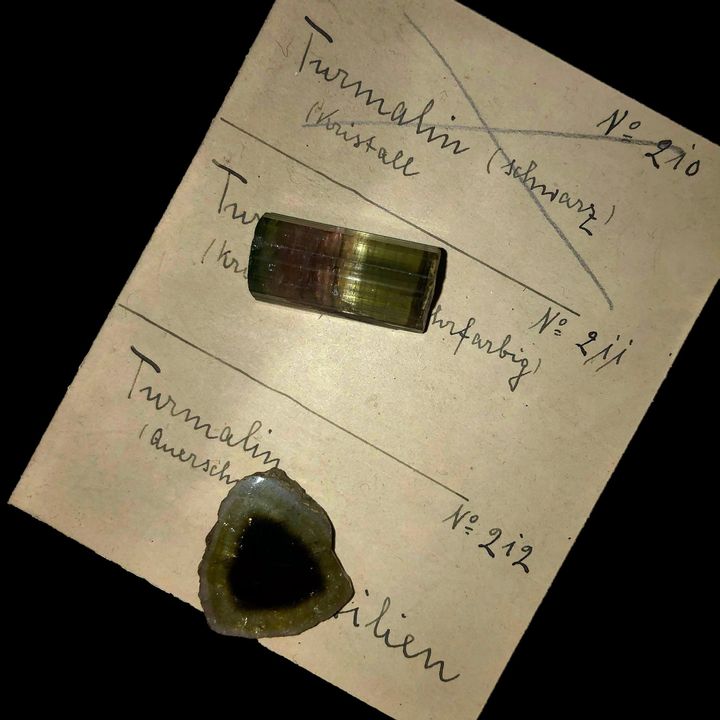
Gold is one of roughly two dozen minerals that occur in the native state, built from atoms of a single element. Silicates such as garnet or tourmaline depend on a whole range of different ions coming together. With native minerals it is therefore easier to draw conclusions about the conditions under which they grew, about temperature, pressure and duration. They also take a wide range of forms, from dendrites through leaf-like habits and herringbone patterns to skeletal growths and wires.
The origin of the gold crystals of the Gran Sabana is likewise unresolved. They sit almost exclusively in a kaolin layer two to three meters below the surface. The garimpeiros, as the independent gold diggers here call themselves, know it as pizarra. Do the crystals form in the kaolin, or does the clay merely preserve the gold?
Where the Specimens Actually Come From
One problem has followed Venezuelan gold ever since it reached the market: dealers frequently give the wrong locality. For collectors and scientists that is precisely the information that counts. Specimens from the south of the country are labeled “Santa Elena” or “Icabarú” across the board. Santa Elena is a small town and Icabarú a mining settlement, and neither says much about where a piece was found.
The clearest case is the largest known single crystal of gold, measuring 4.44 × 4.27 × 2.06 cm and weighing 217.78 grams, today in the Houston Museum of Natural Science. We illustrated it in Mineralica 2025-4. Several sources give El Callao as the locality. That is wrong. There are no gold crystals at El Callao, where the gold sits in quartz veins. The crystal comes from Zapata, near Icabarú.
Zapata produces crystals, not wires. Anyone holding a Venezuelan gold wire is not holding a piece from Zapata. The wires come from four other mines, which became active one after another.
It begins with the legendary El Infierno Mine near the Icabarú river, active around 2006, the source of the most famous wires including the Dragon Wire Gold. The Trompa Mine was highly active in 2022; it lies 170 kilometers west of Santa Elena, right beside the Icabarú airstrip. The Cariri Mine followed in 2024, 100 kilometers east of Santa Elena on the Brazilian side. Currently at work is the Yunet Mine, 150 kilometers north-west of Santa Elena between Wonken and Kavanayen, an extensive and promising area. The gold wires shown on these pages come from these four mines.
The gold from these localities usually carries a high silver content. And the wires rarely leave the jungle as they were found. The young miners cut long wires apart with pliers to divide them among their partners, and knock them out of the quartz matrix. The localities are so remote that there is little prospect of changing this practice.
Getting Out of the Jungle
Just how hard the journey is only becomes clear on the way in. From Caracas the route runs by way of El Dorado to Santa Elena de Uairén, from there in an old Cessna onto a rough strip near Parkupi, and then for hours upriver in a wooden boat with an oversized outboard. Anyone going in to buy gold travels with a heavy bag of cash, and the men alongside him carry pistols. In the camps everyone has something to offer, gold and diamonds alike.
The large mining companies steer clear of this terrain. It is left to the garimpeiros. Nobody knows exactly how much they recover, since nothing here is weighed or declared. Estimates put it at ten to fifteen tonnes of gold a year, along with thousands of carats of diamonds. Their working conditions match: between the pits lie pools of standing water where malaria waits.
Their method is centuries old. The gold-bearing material runs over simple sluice boxes until a heavy concentrate is left. Mercury is added to it. The mercury combines with the gold into an amalgam, binding even the finest flakes into clumps that are easy to separate out. The pasty mass is then burned off over an open fire. Pure gold remains, the mercury escapes as vapor into the surroundings, and the workers cannot help breathing it in. The process is cheap and simple, and because mercury is toxic it is internationally condemned and banned in many countries.
Against that background it is less surprising that a twenty-centimeter wire gets cut up. It is divided by weight, because weight is what counts at the end of a day like that.
Sixteen years separate El Infierno from Trompa. For that long, hardly a wire worth the name came out of the Gran Sabana, and the old pieces have long since settled into firm hands. Since 2022 the material has been coming again, first from Trompa, then from Cariri, now from Yunet. Stern goes in himself to get it. Often he arrives too late, and by then the finest pieces have been sold and melted down.
What he does bring out is all there will ever be of this find. And what locality it arrives with in collections is being decided now. A wire without a locality is a handsome piece of gold. A wire with one is a record.